Color Directory
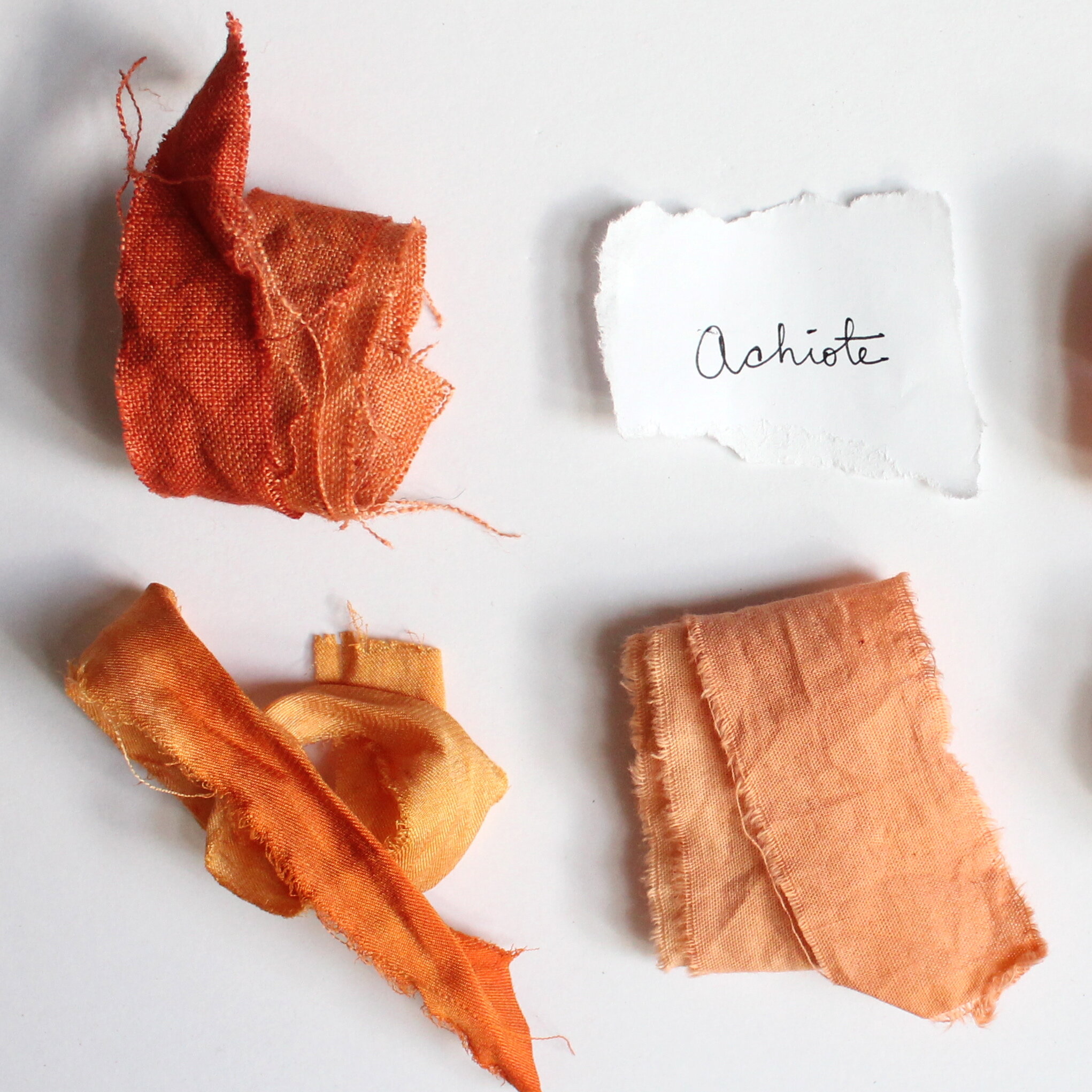
Achiote
Also called Annnato when used as a food coloring and known as Urucum in Brazil. It is the bright red seed of the plant which yields an orange or peach color.
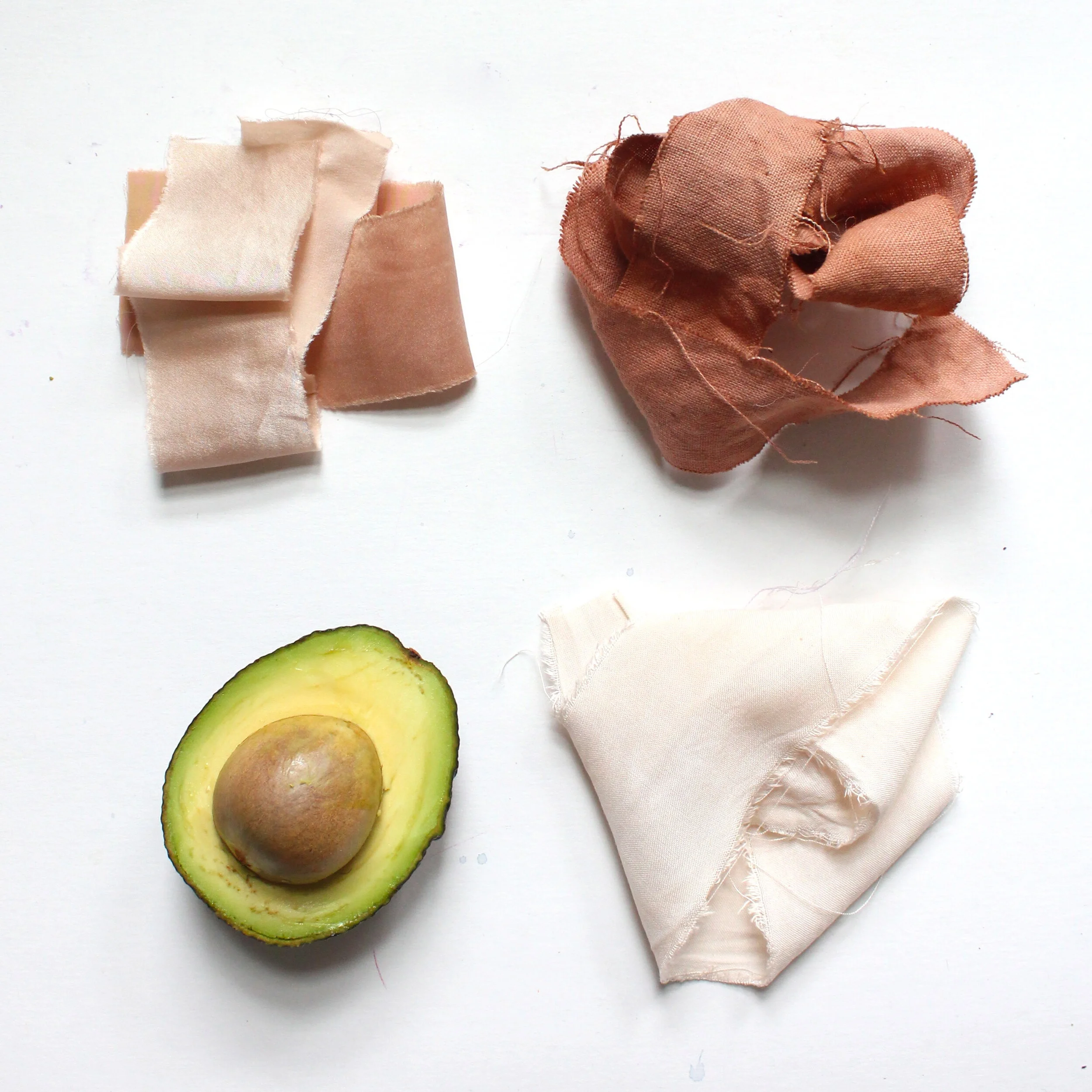
Avocado
The pits can make pink, tan, peach and terracotta colors.
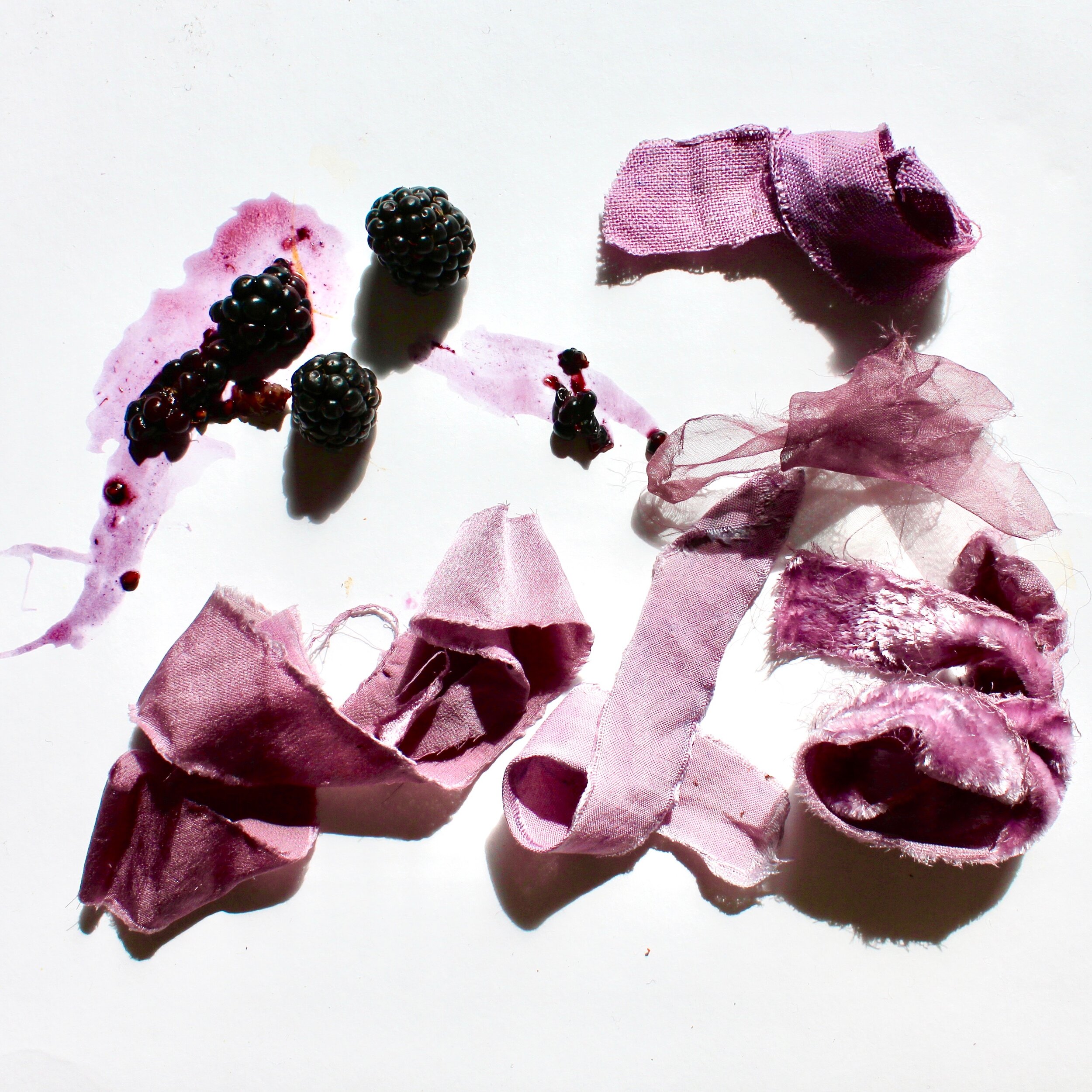
Blackberry
The berry of the blackberry bush yields pinks and purples.
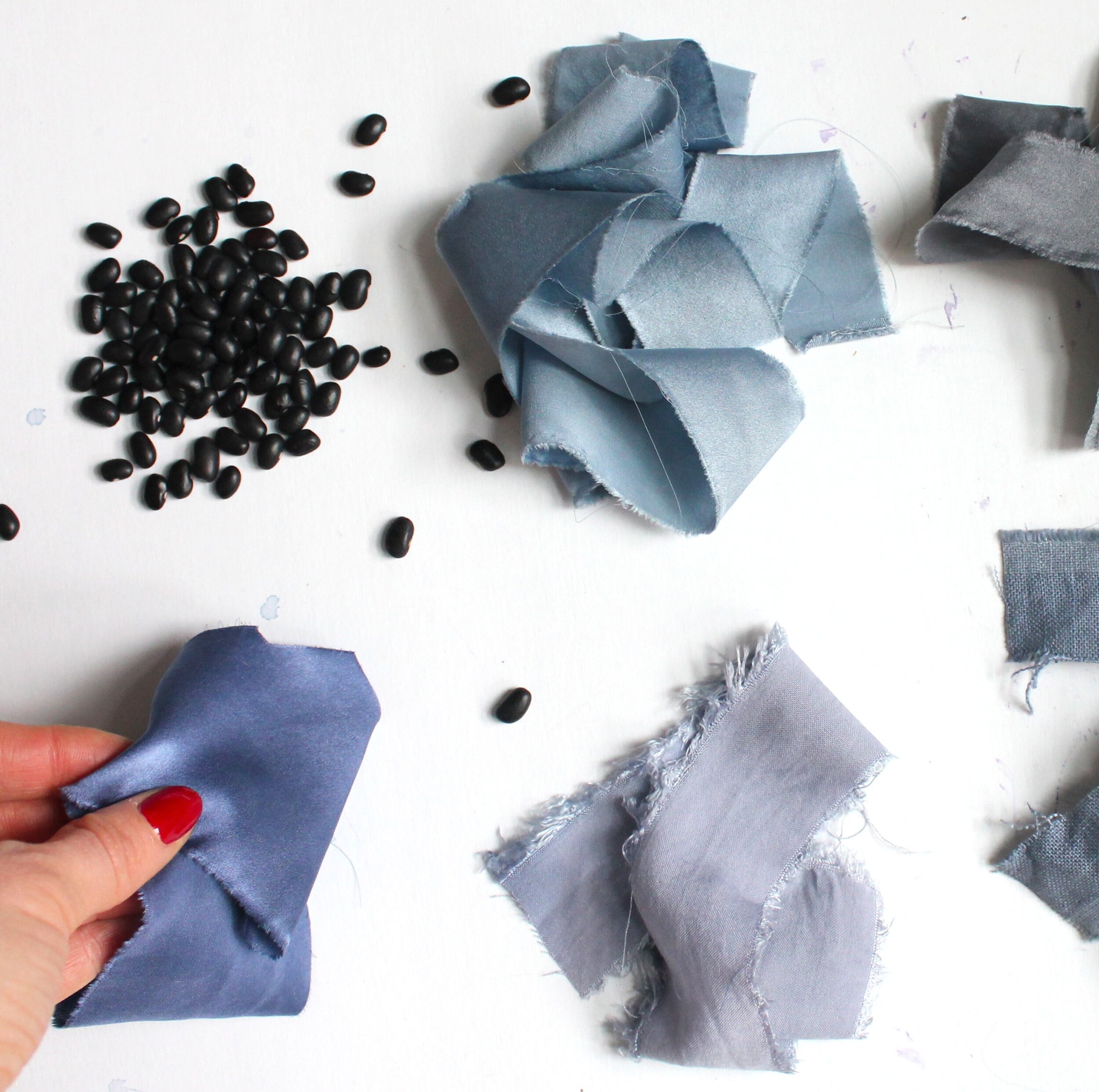
Black beans
The soaking water of dried black beans can make blues, purples and grays.
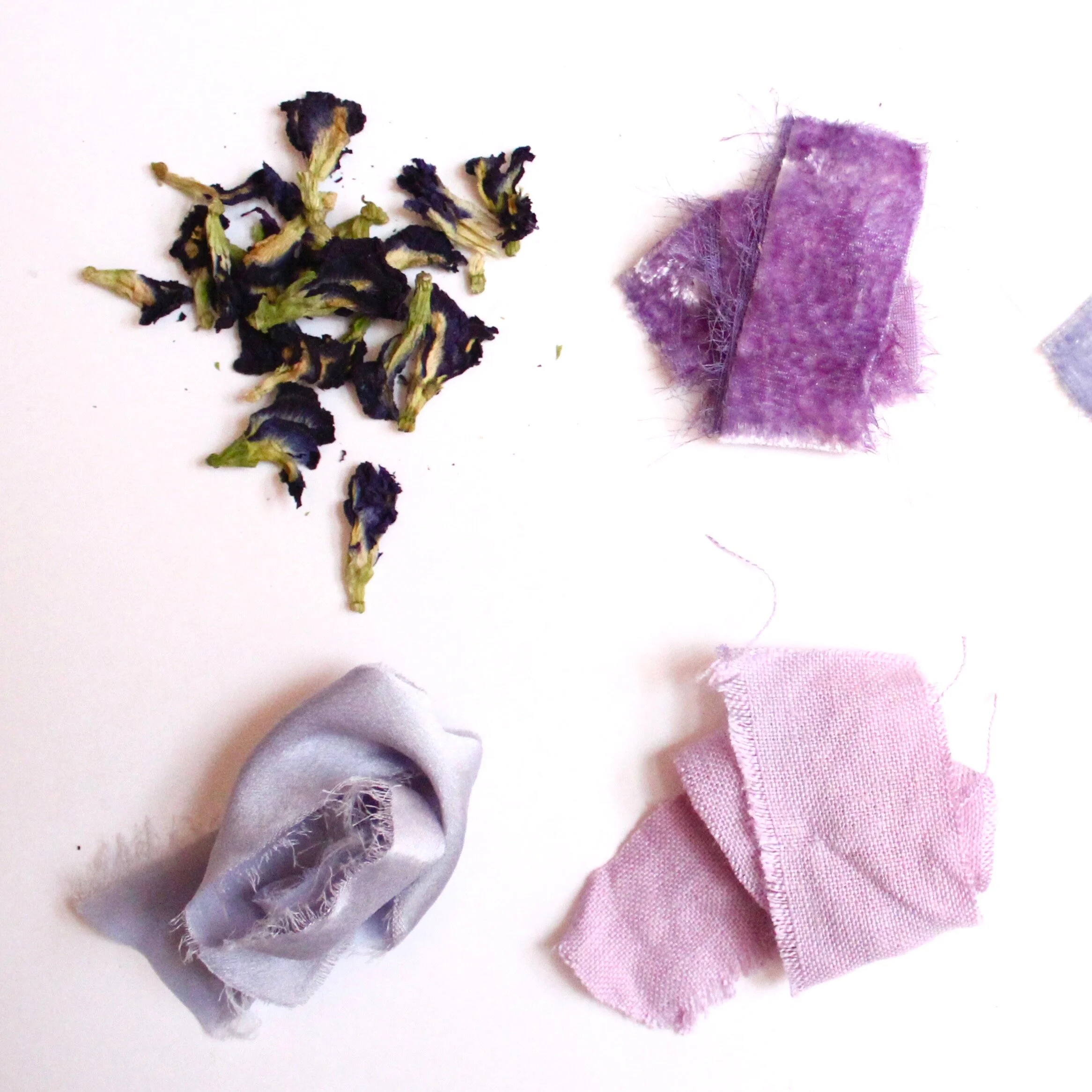
Butterfly Pea
This flower, sourced from Asia, yields periwinkle and blue. With added acid such as lemon, it will turn purple.
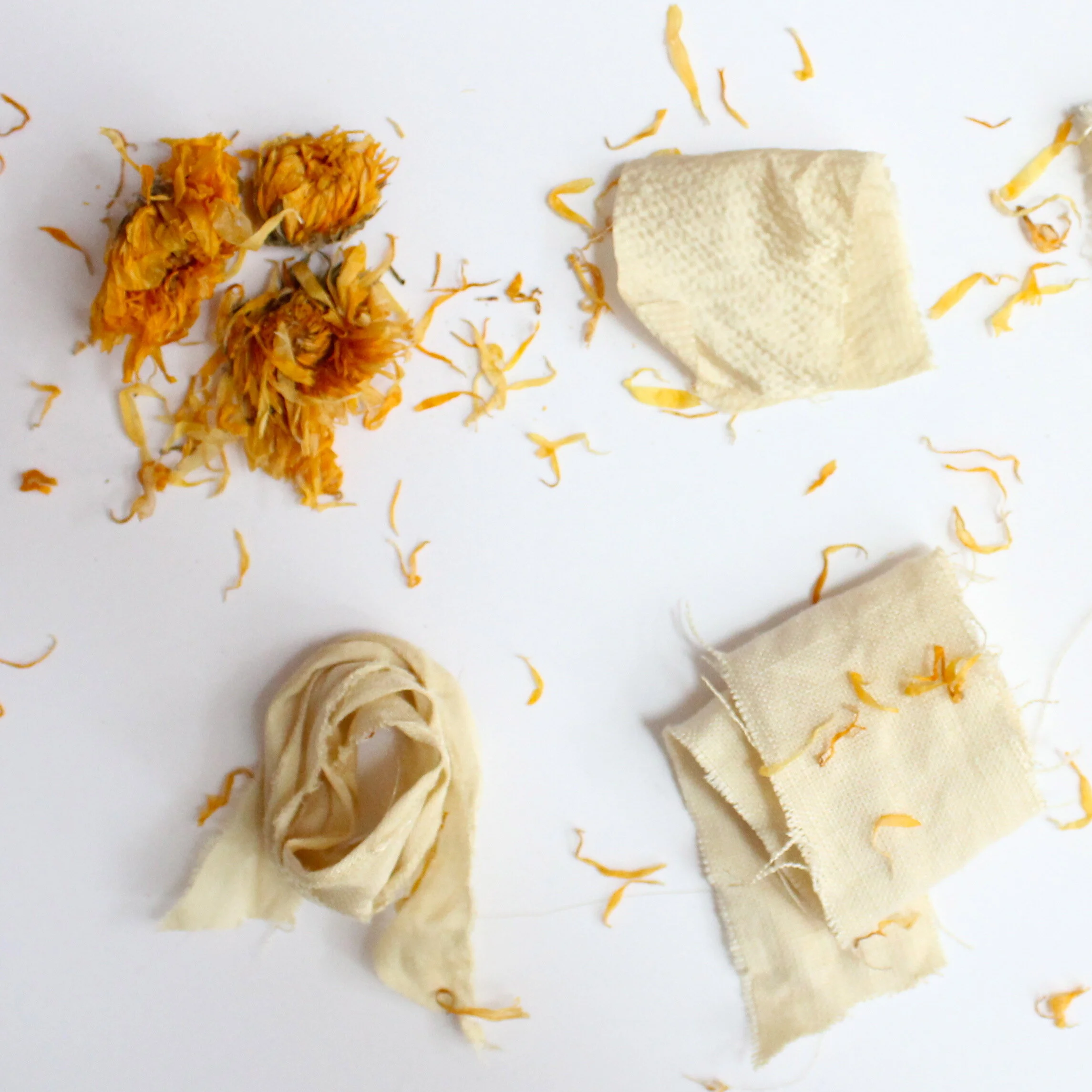
Calendula (Dried)
The flowers can be used to make a yellow dye. It has been used medicinally for hundreds of years for its many properties which soothe the skin and accelerate healing.
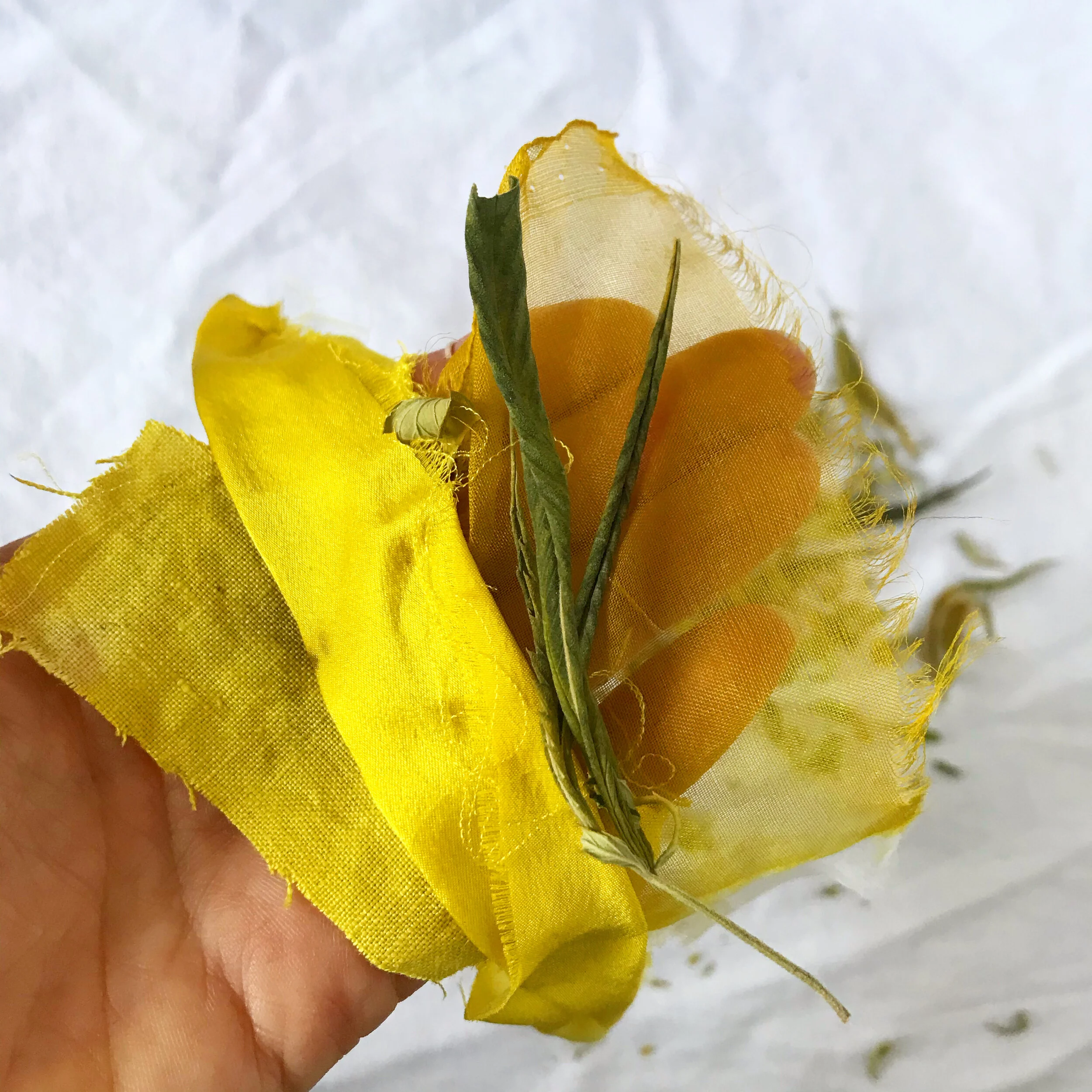
Cannabis
Fresh or dried cannabis leaf yields a vibrant chartreuse color.
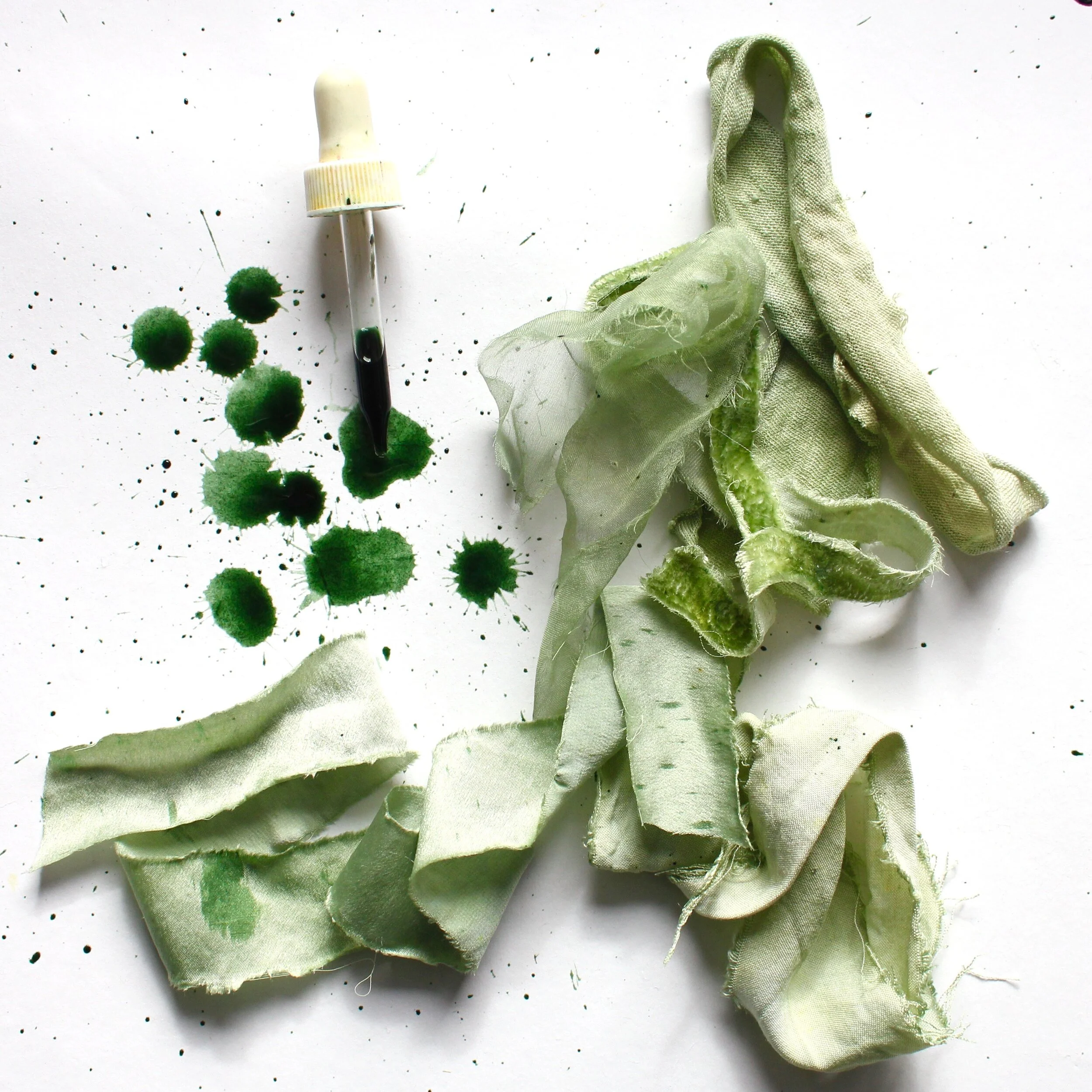
Chlorophyll
Chlorphyll can create seafoam greens to army greens.
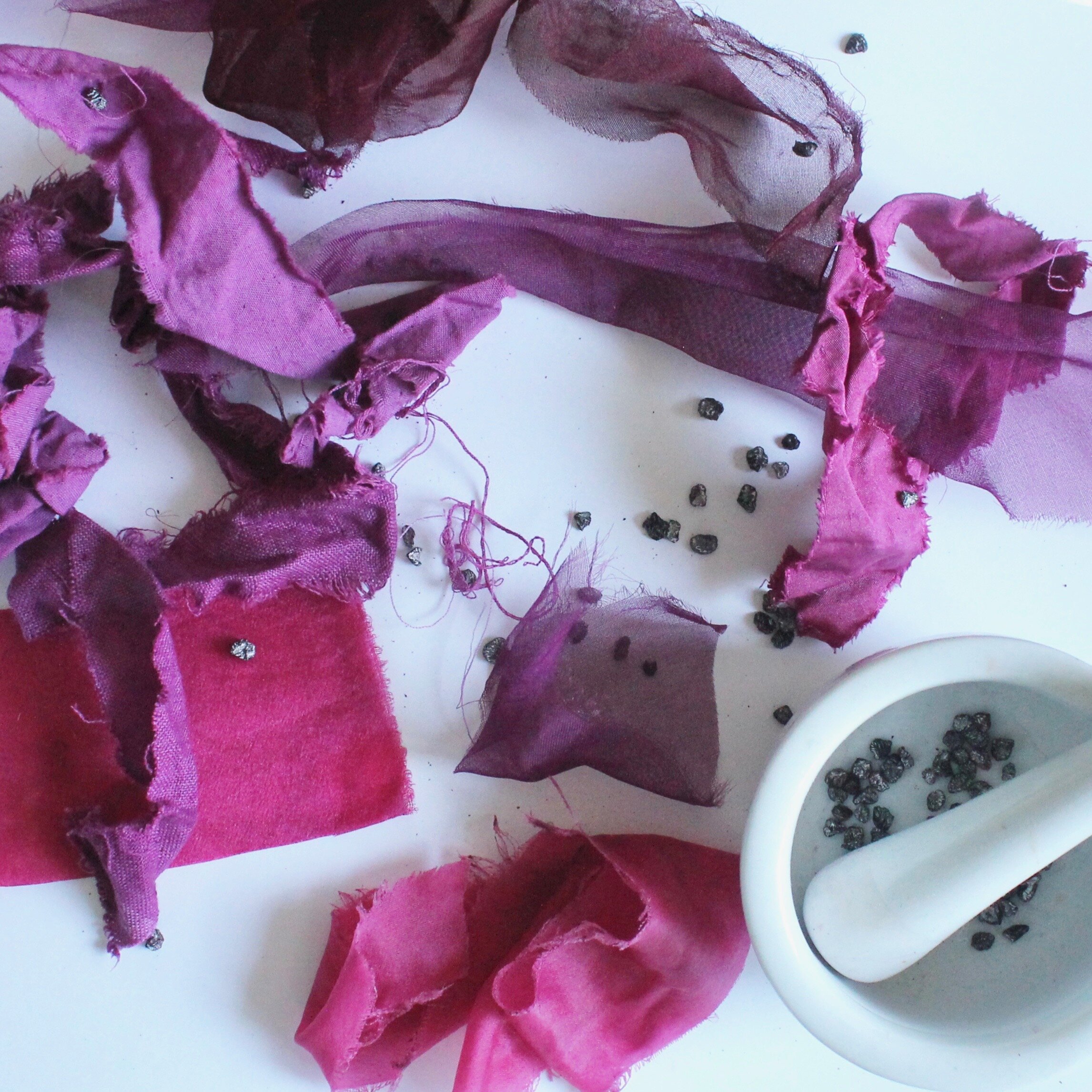
Cochineal
Cochineal dye can yield pink, red and purple. The dye comes from the shells of the Cochineal beetle that feast on Prickly Pear cactus.
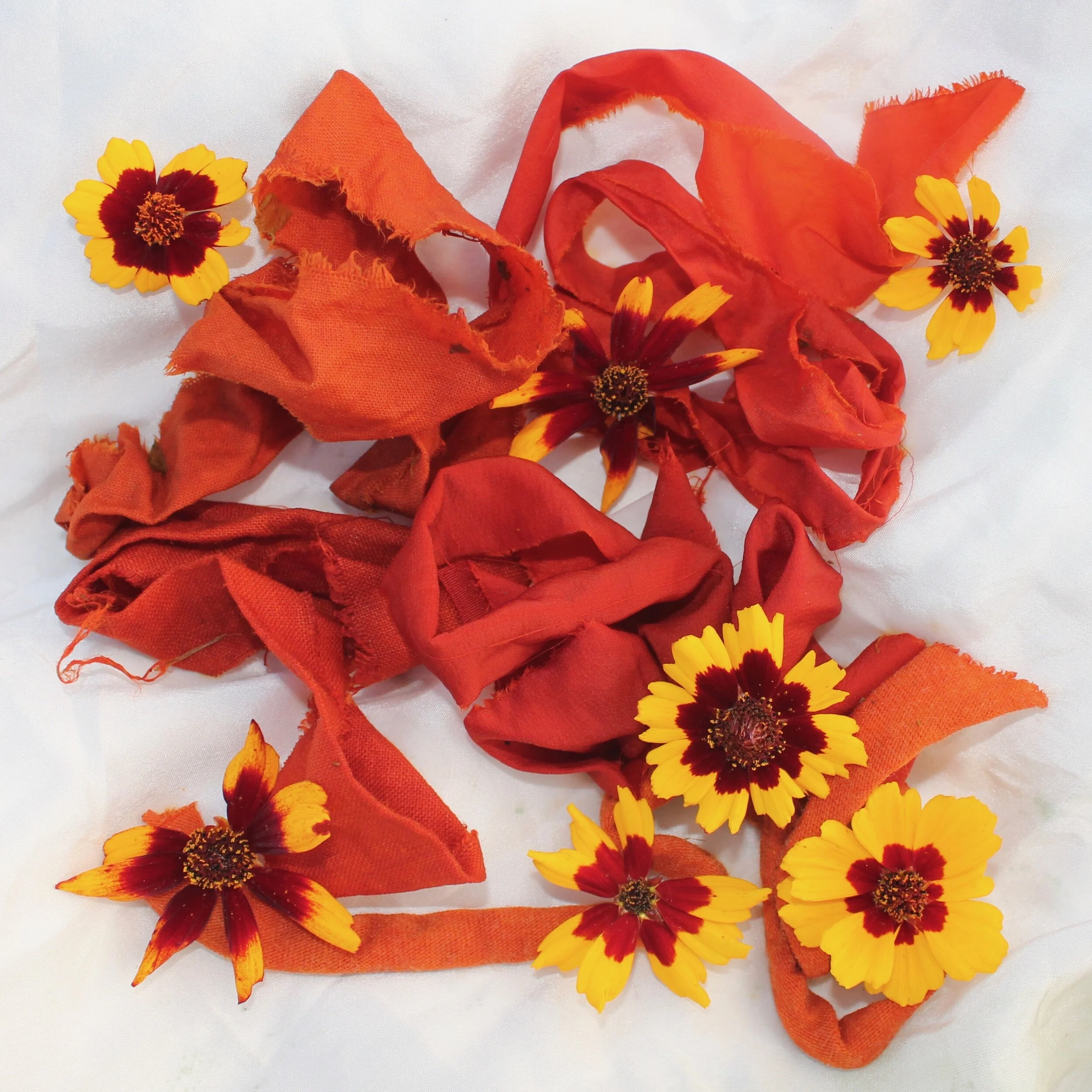
Coreopsis
This yellow and red flower creates burnt orange and terracotta colors.
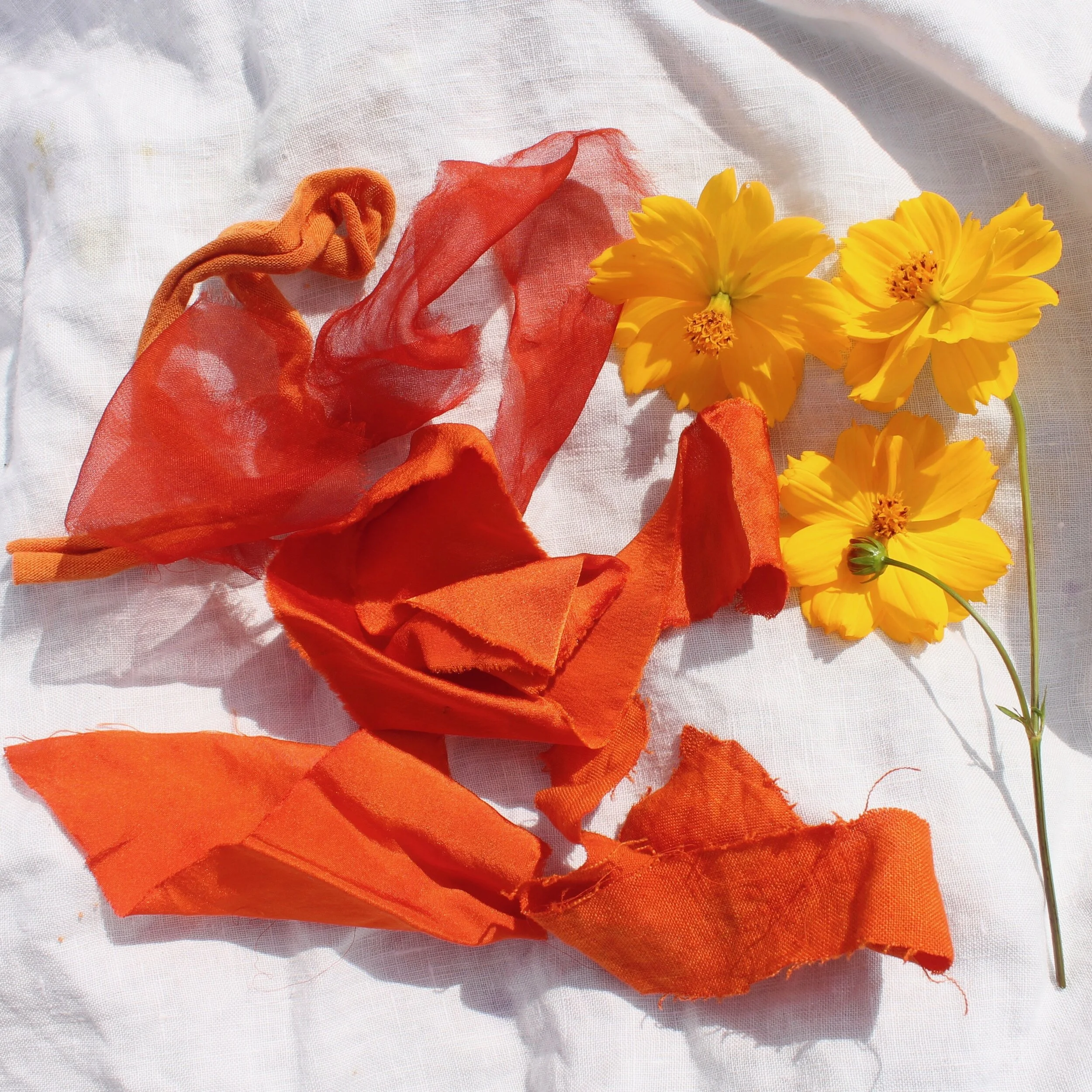
Cosmos (Sulphur)
This yellow flower can create a vibrant orange-red.
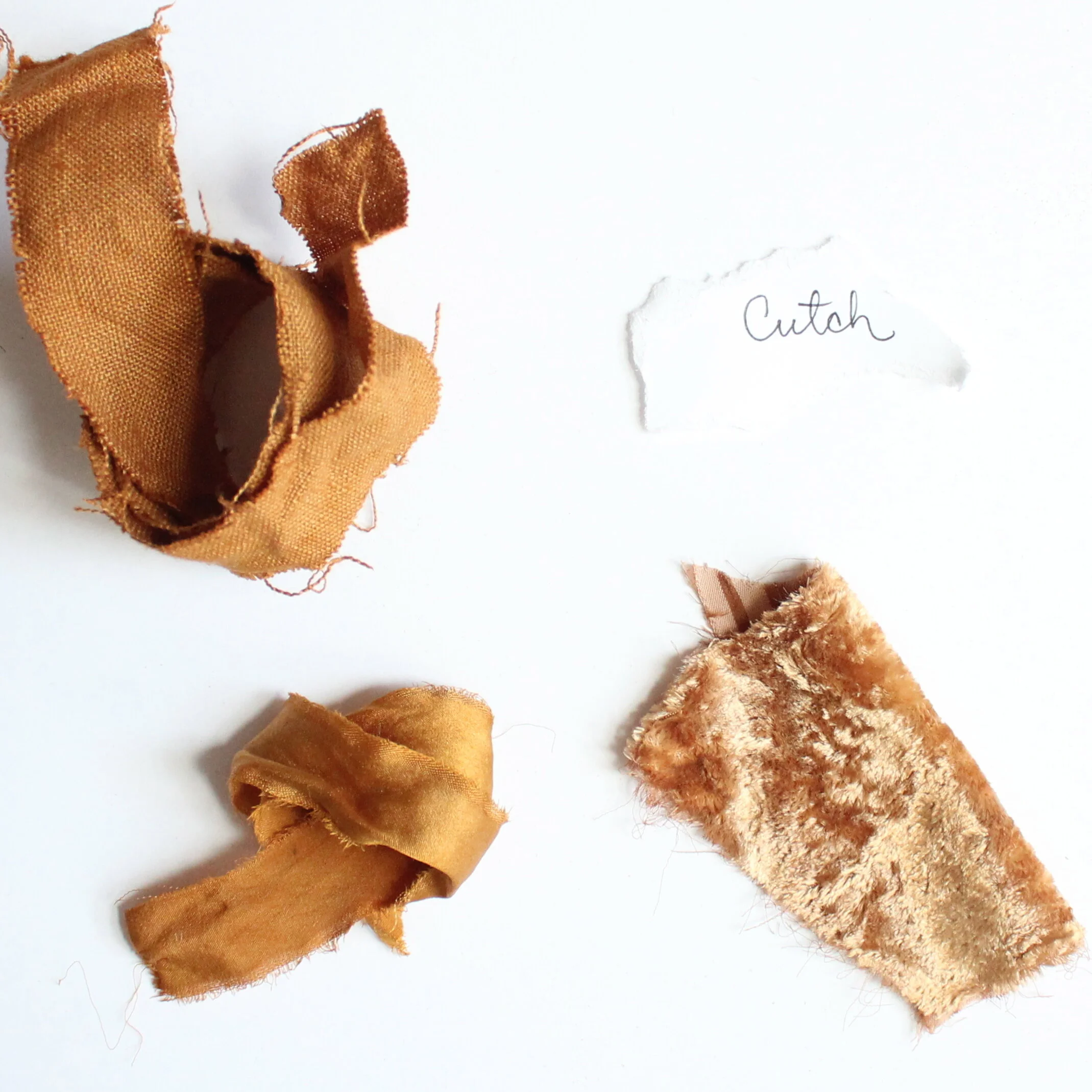
Cutch
Cutch comes from the heartwood of the cutch tree (Acacia catechu) native to Asia. It is both light-fast and wash-fast. Cutch is high in tannins which makes it great for cottons, silk and wool.
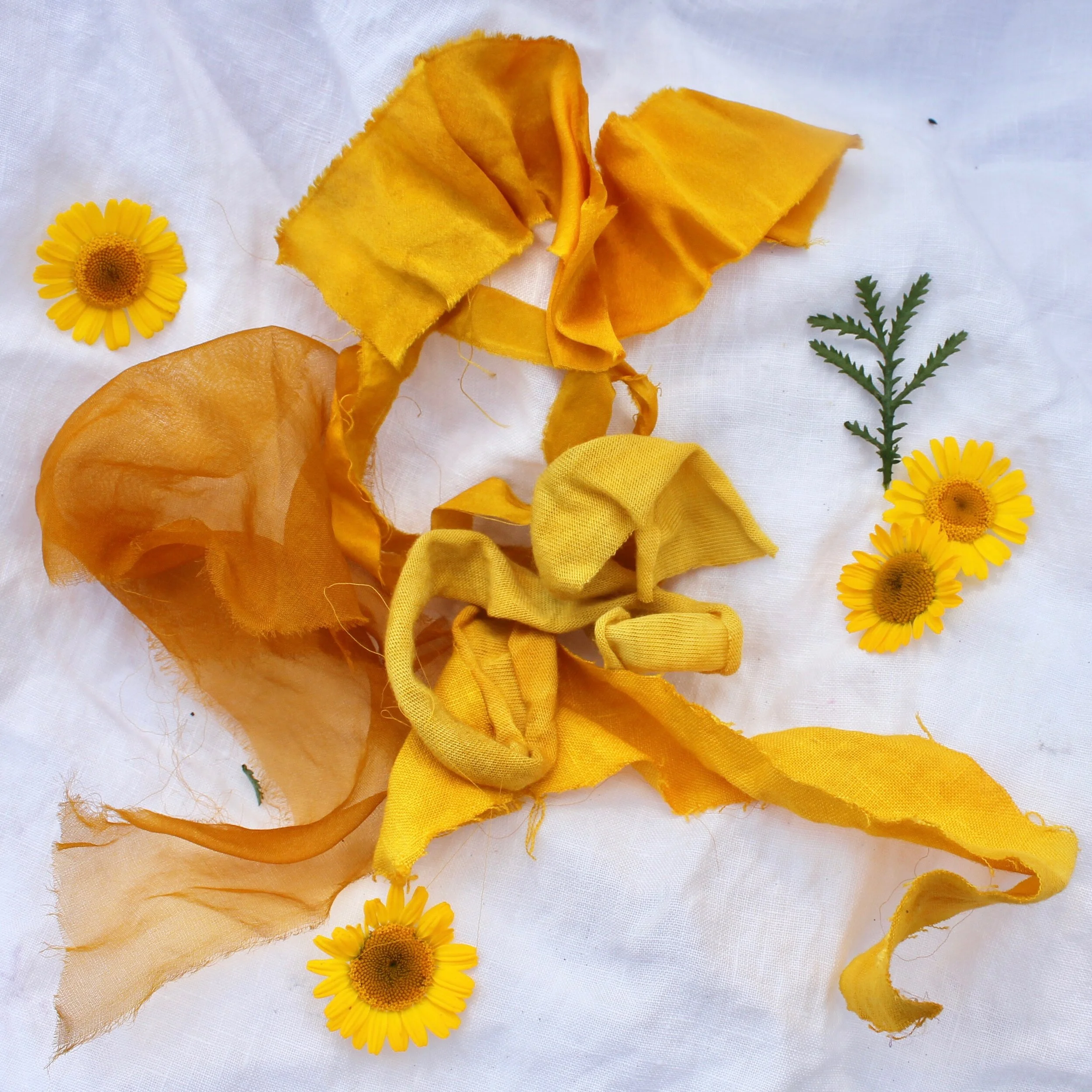
Dyer’s Chamomile
This cheery yellow flower creates bright yellows to mustard yellows.
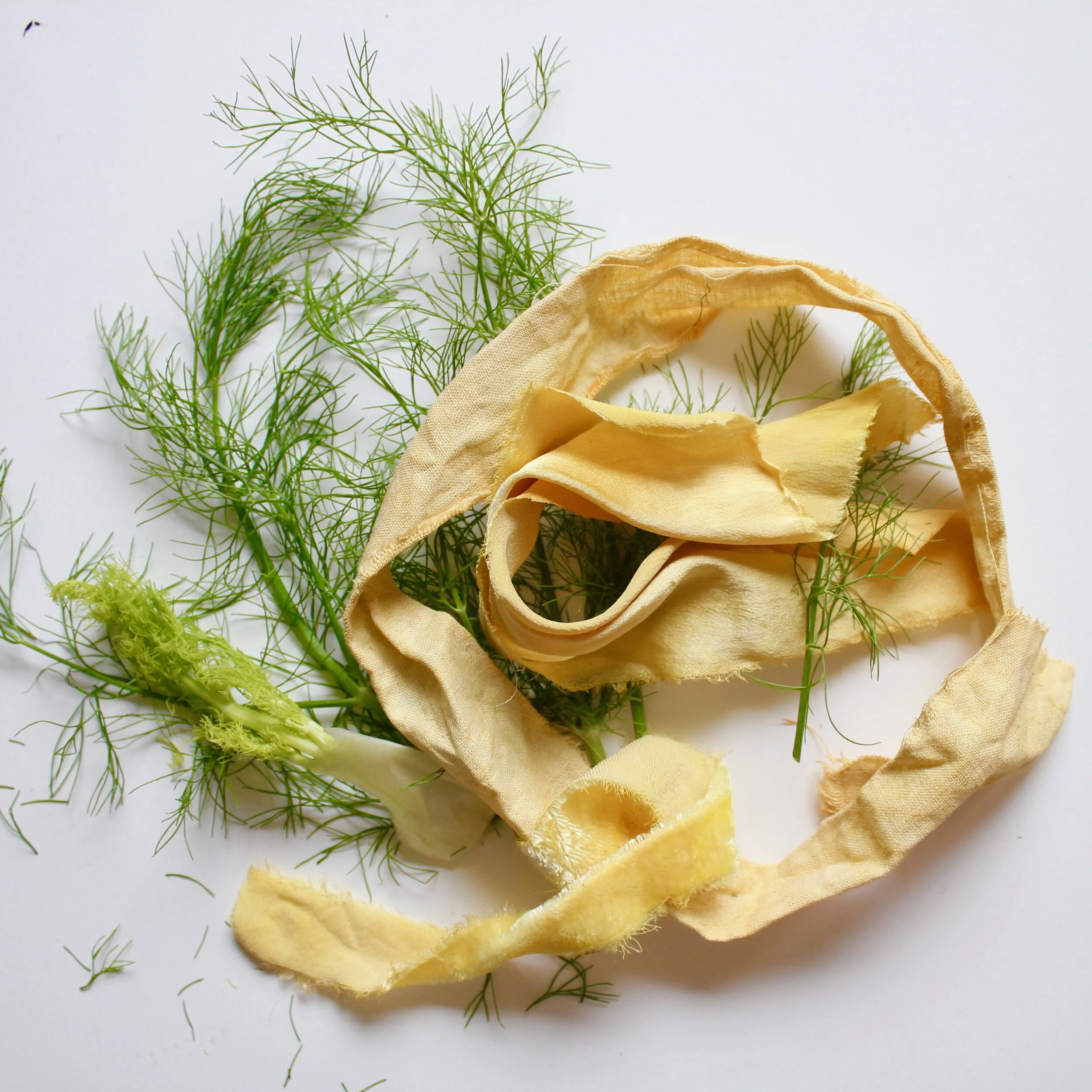
Fennel
Fennel tops can make sunny yellows
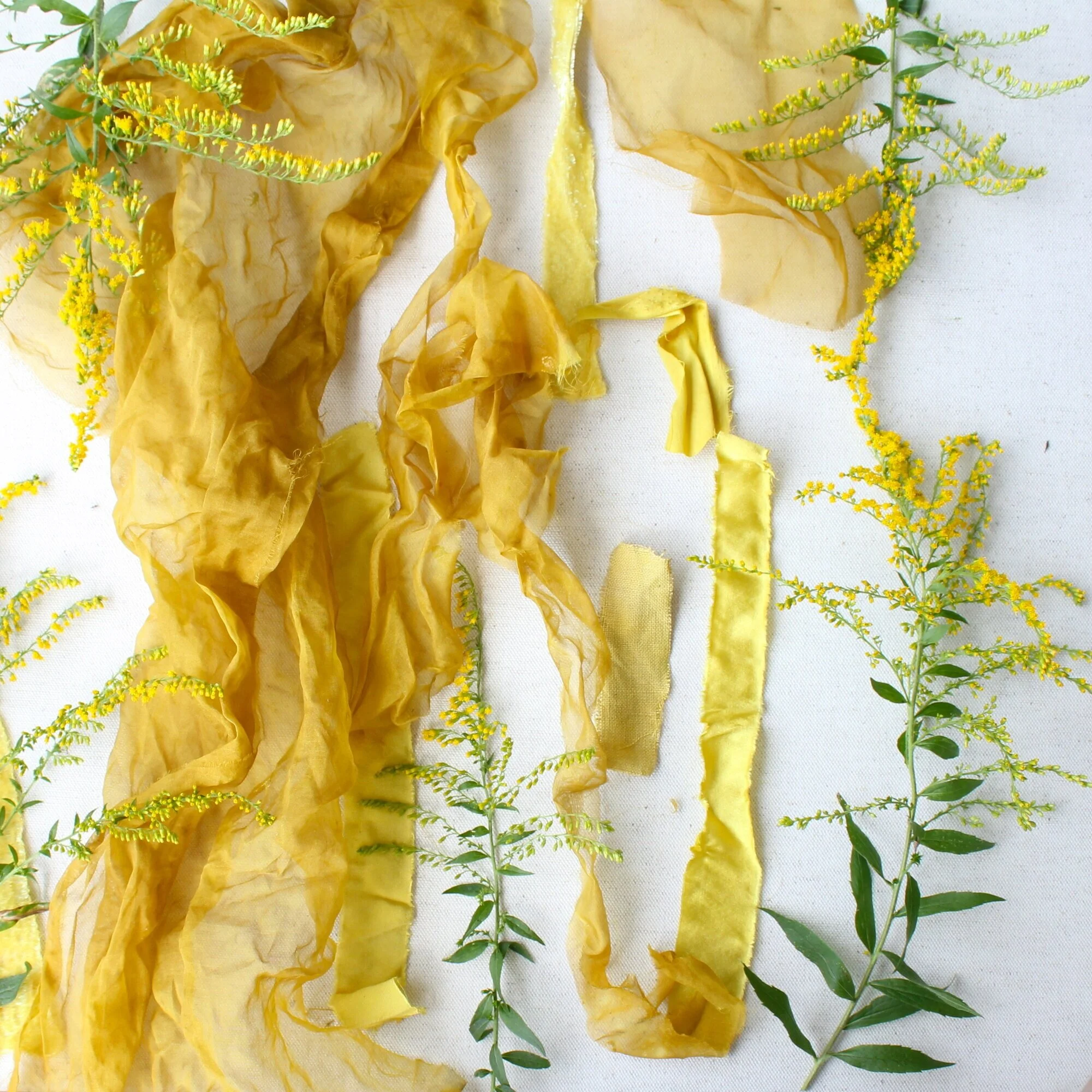
Goldenrod
Goldenrod flowers make a bright yellow that is wash fast and light fast on textiles. It grows abundantly in the NE US during the late summer and fall.
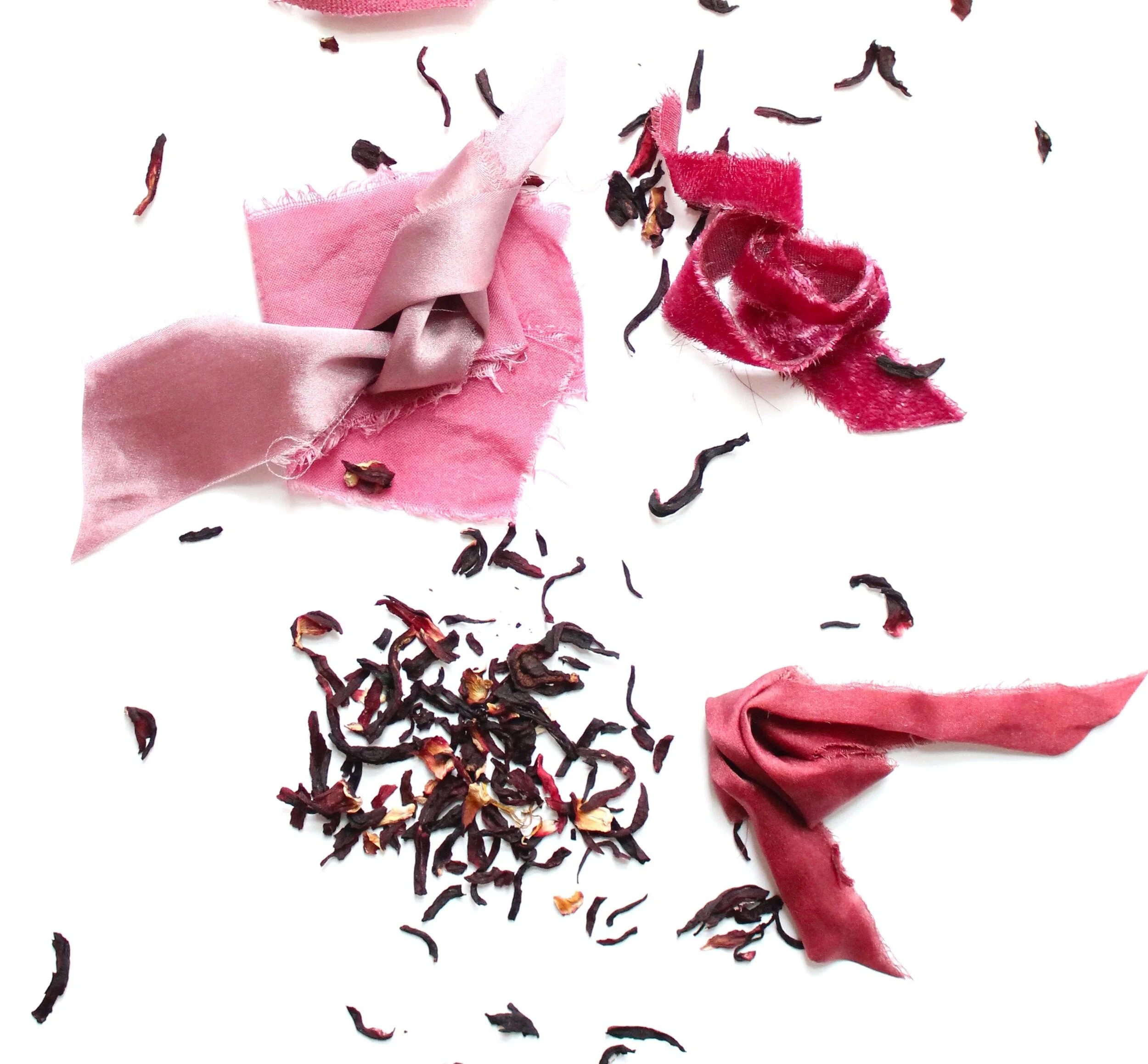
Hibiscus (Dried)
The flower of this plant yields a pinks, reds and even periwinkle. Hibiscus is beneficial for the skin and hair and when taken as a tea has many internal health benefits.
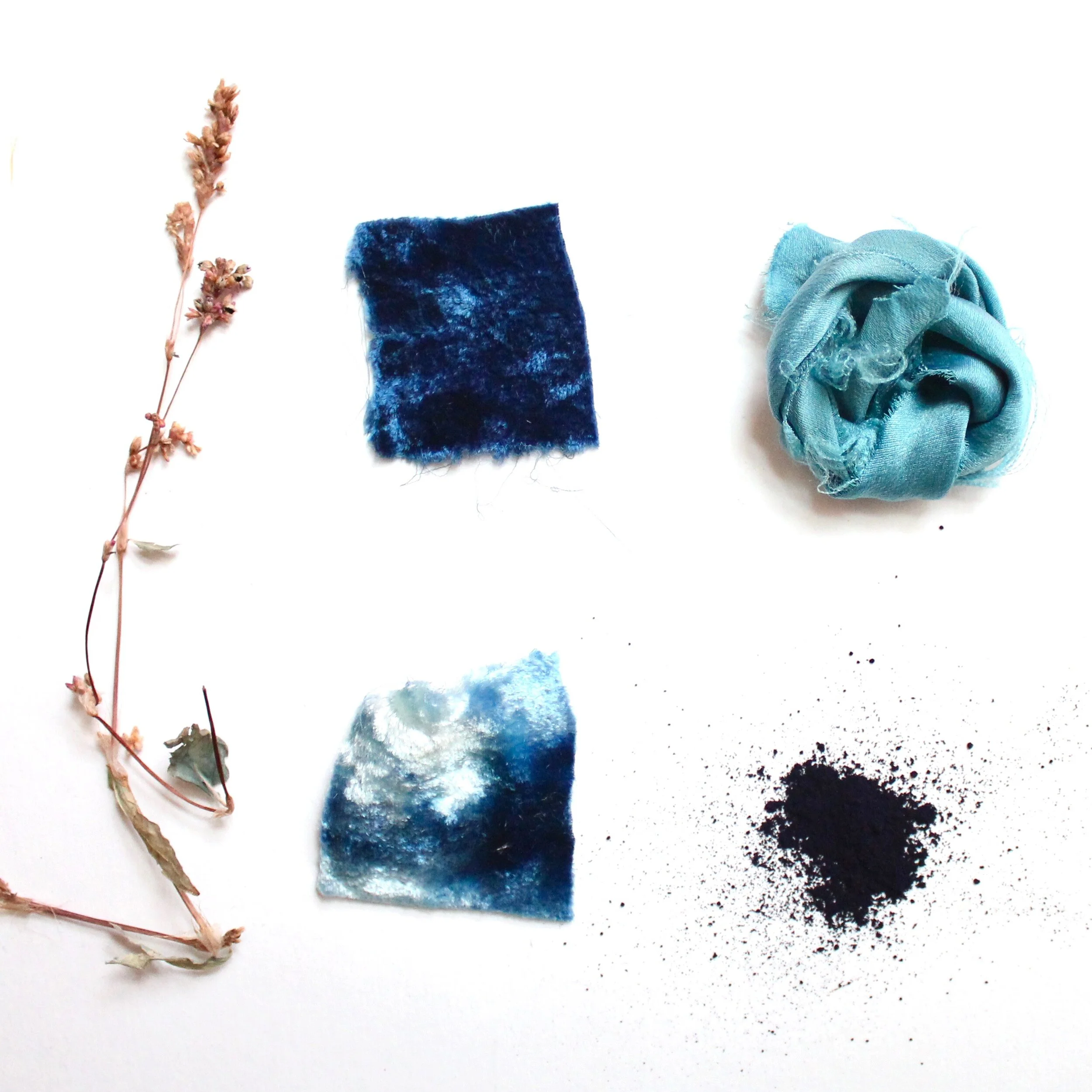
Indigo (powdered)
Indigo dye comes from the leaf of the Indigo plant. It is unique from all other natural dyes for its color and the process by which the dye is prepared.
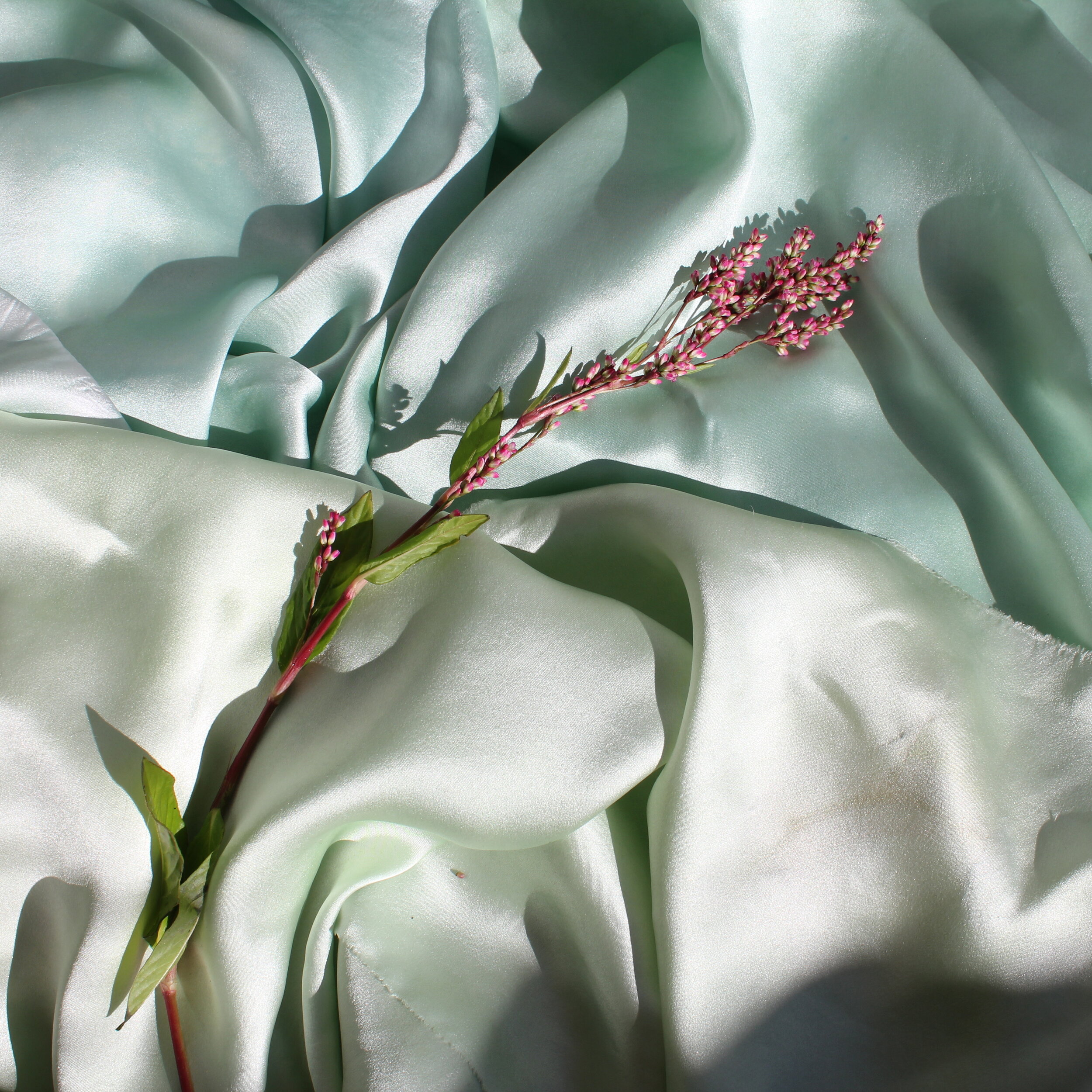
Indigo (Fresh leaf)
Fresh Indigo leaf mixed with cold water and ice will yield a beautiful seafoam green/blue color.
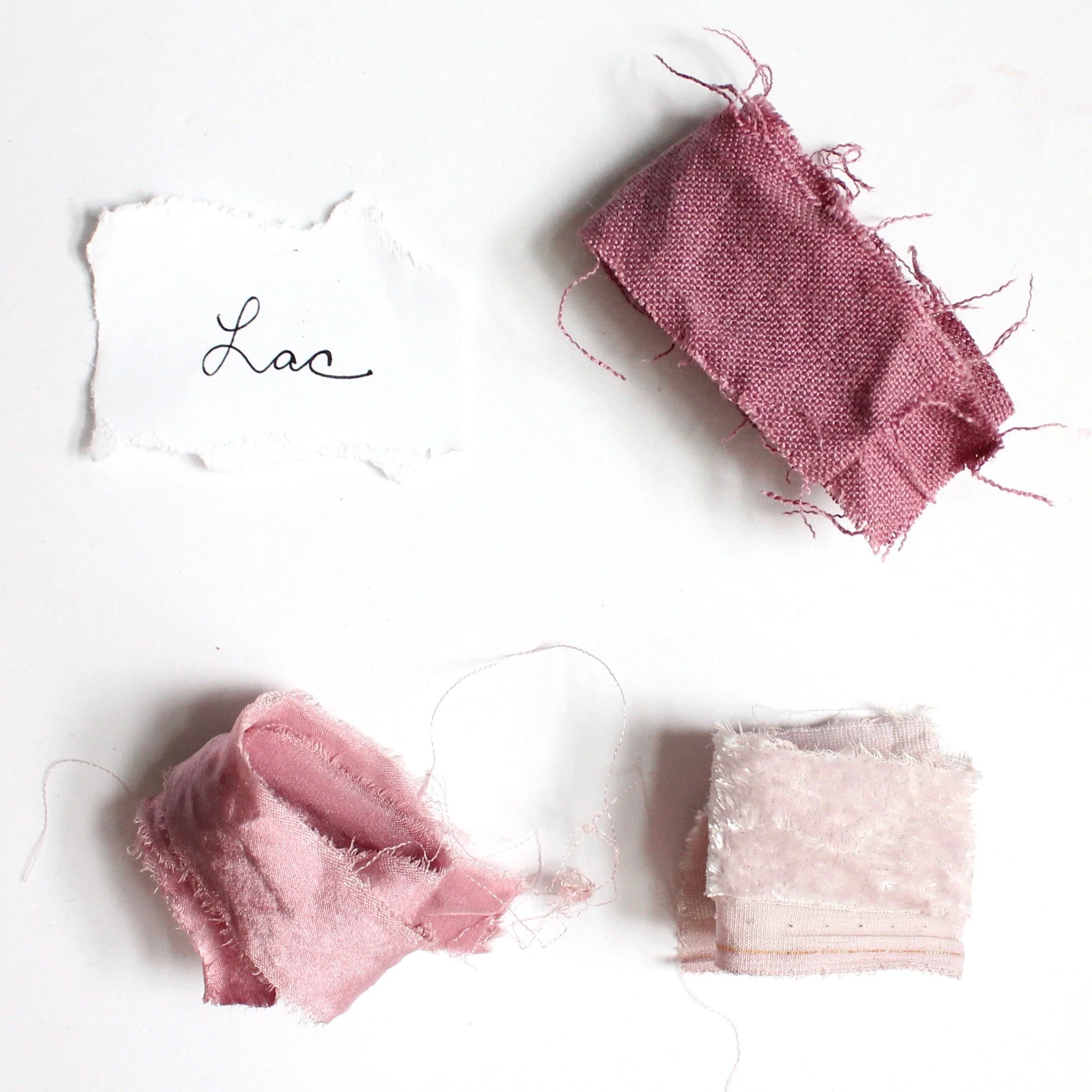
Lac
The lac dye comes from a resin emitted from the lac insect, which is indigenous to Southeast Asia.
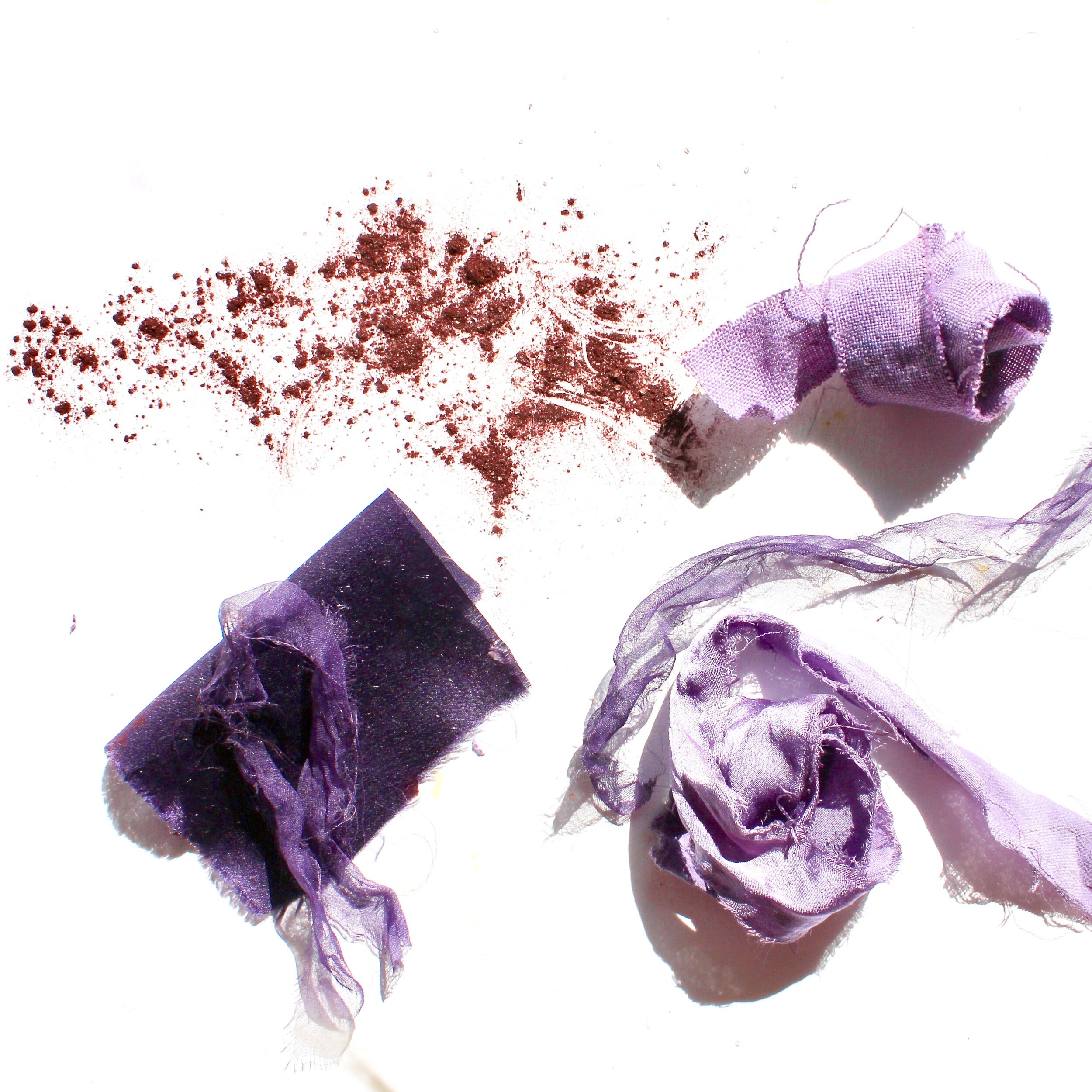
Logwood
Logwood dye comes from the heartwood of the tropical Logwood Tree. It yields many shades of purple, from lilac to a deep plum.
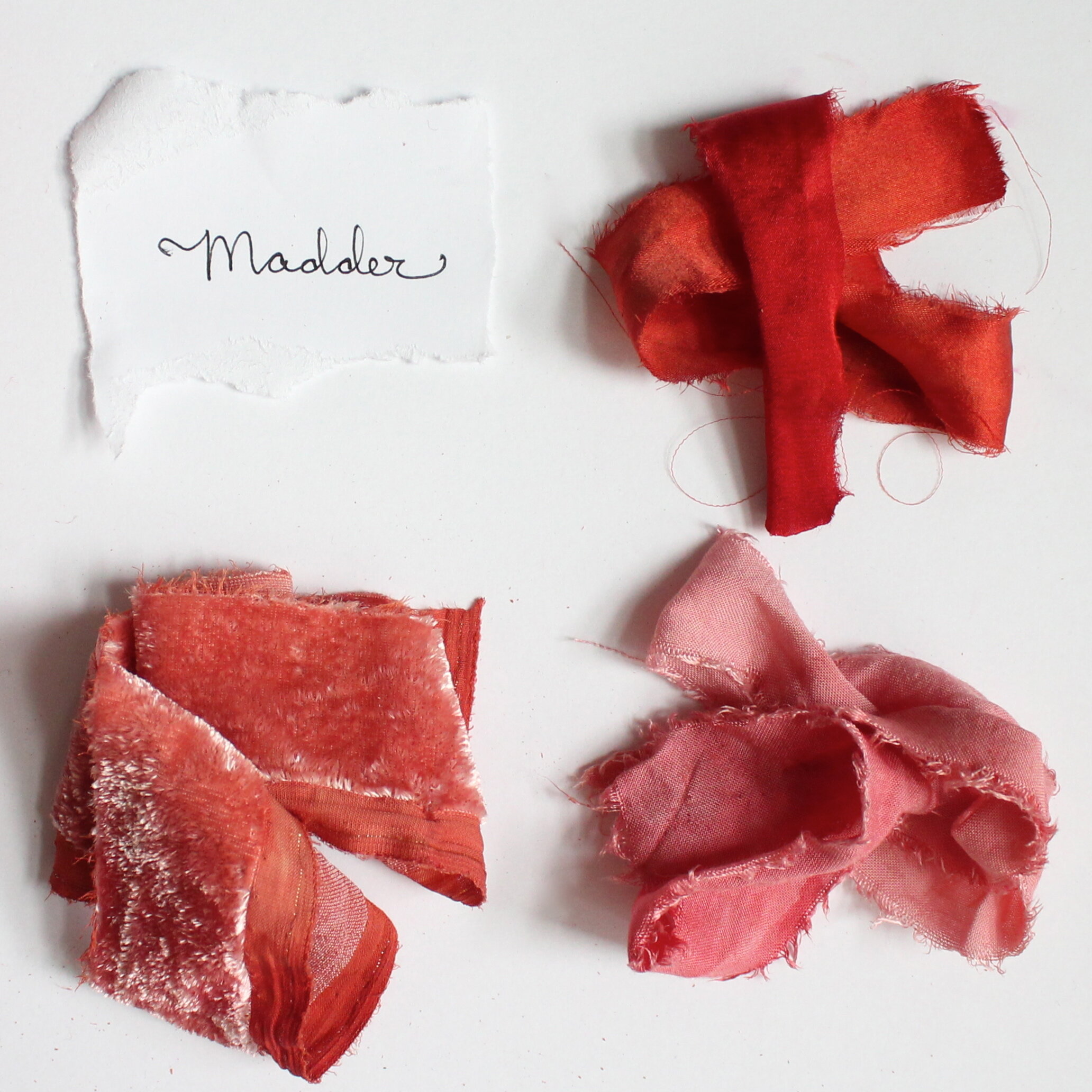
Madder
Madder is a root that grows easily in many conditions. It can yield pinks to a deep, earthy red color.
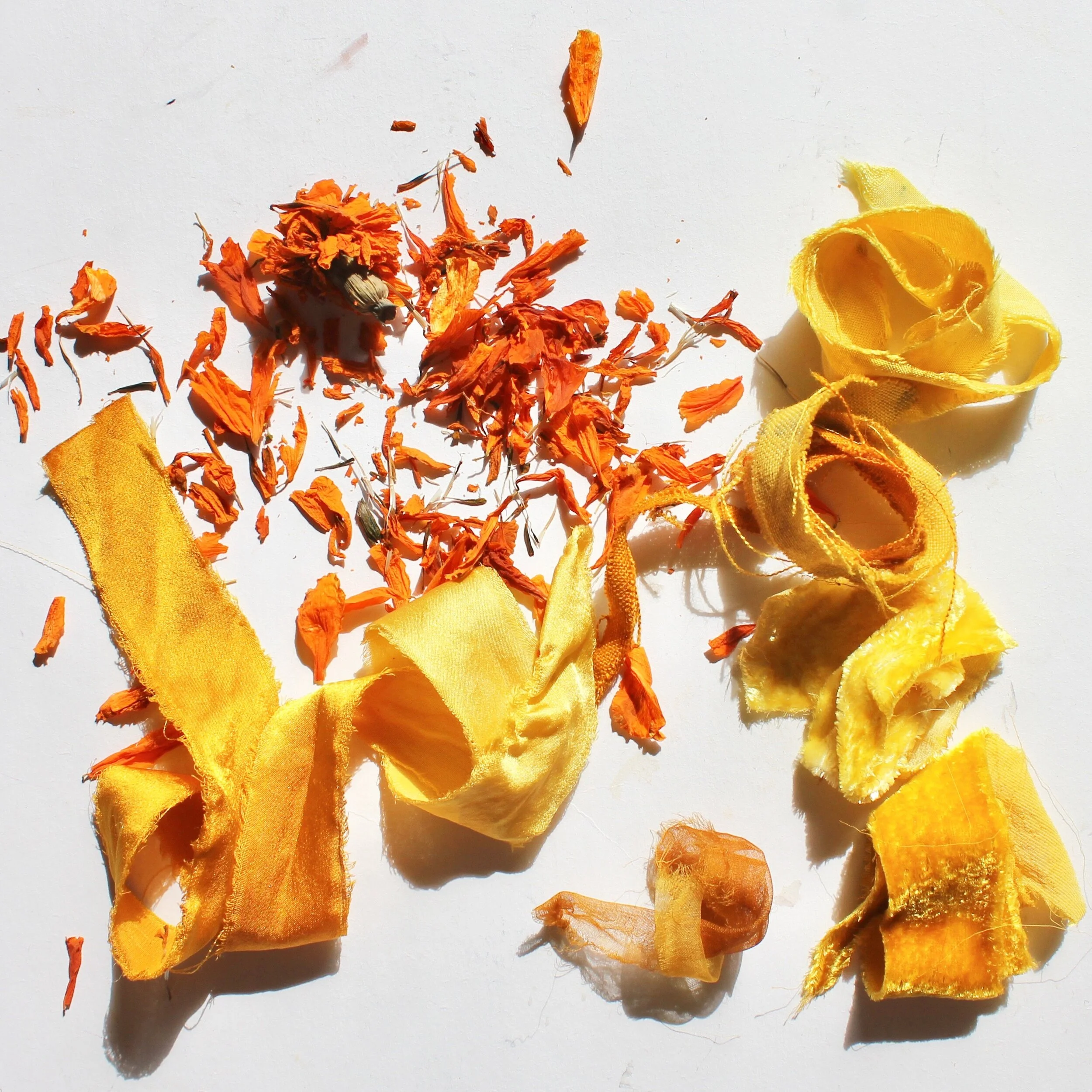
Marigold
The petals of the marigold flower yield a range of sunny colors from butter yellow to deep orange.
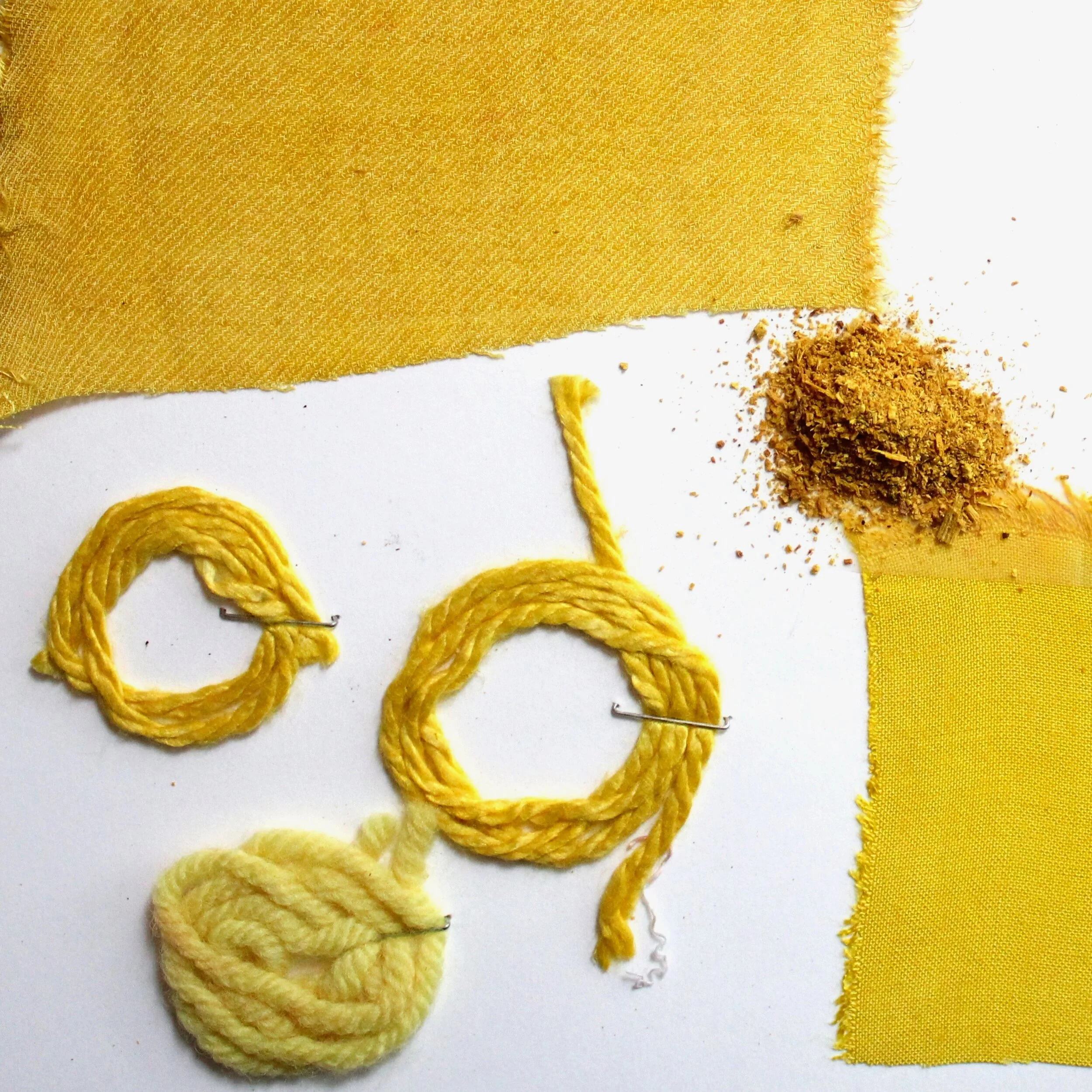
Osage
Osage dye comes from the heartwood of the Osage Orange tree. It is a lightfast sunny yellow dye.
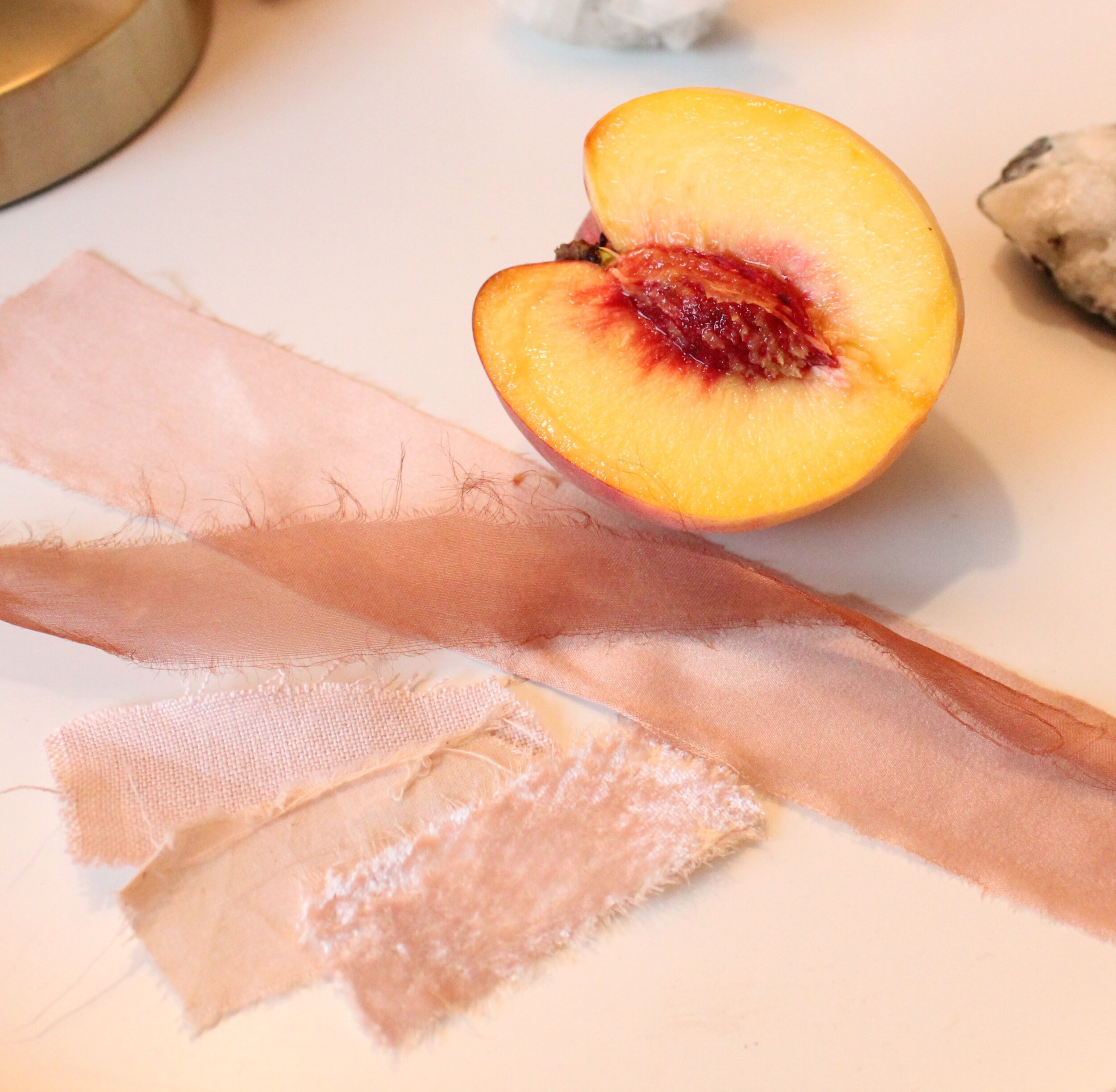
Peach
The pits can make “peachy” pinks and tans.
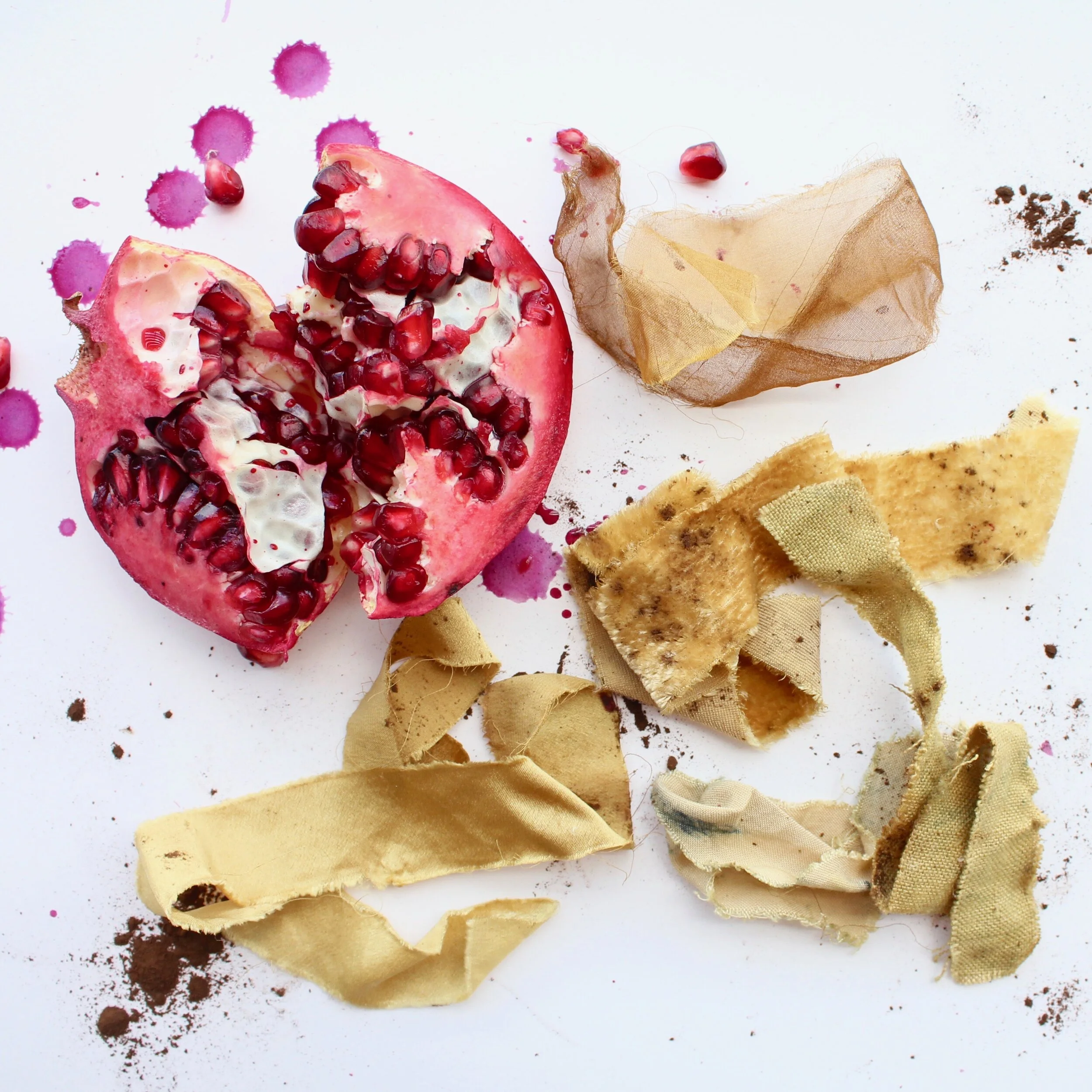
Pomegranate
Pomegranate skins will yield gold tones to earthy army greens. It can also be used as a mordant.
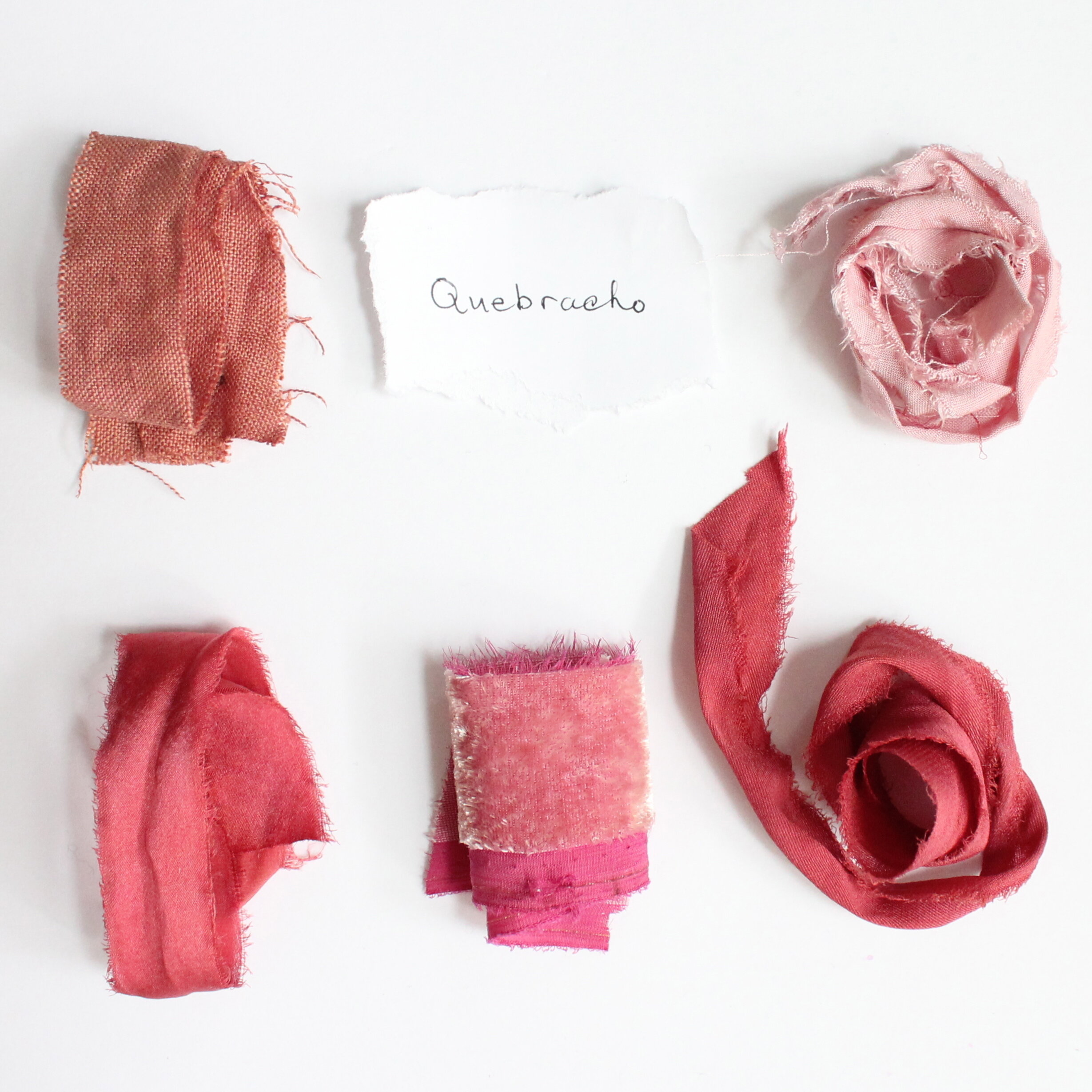
Quebracho
The quebracho dye comes from a tree indigenous to South America. The heartwood and bark are used to make the dye.
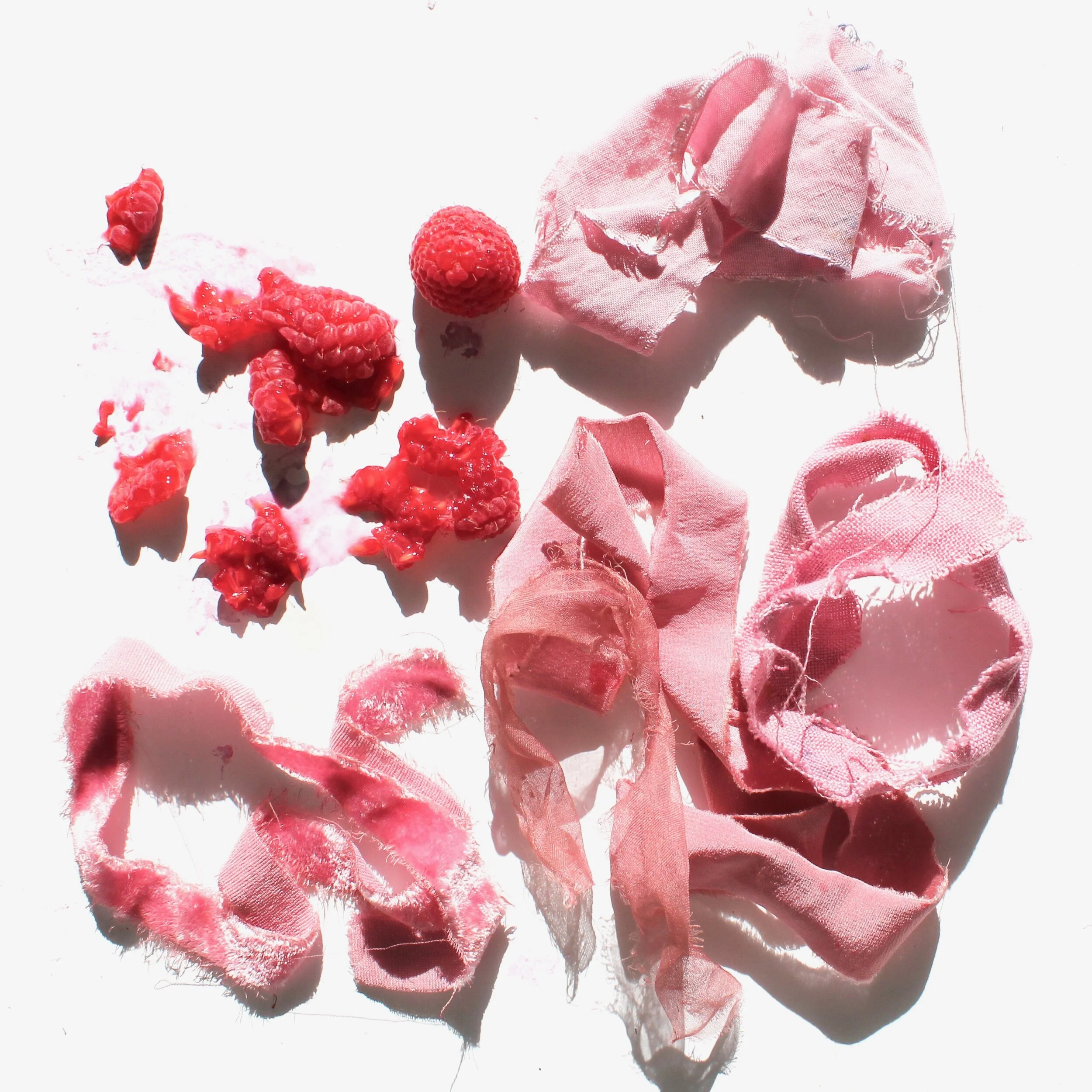
Raspberry
The berry of the raspberry plant yields a blush pink color. Raspberries have been shown to have anti-inflammatory properties which can soothe the skin.
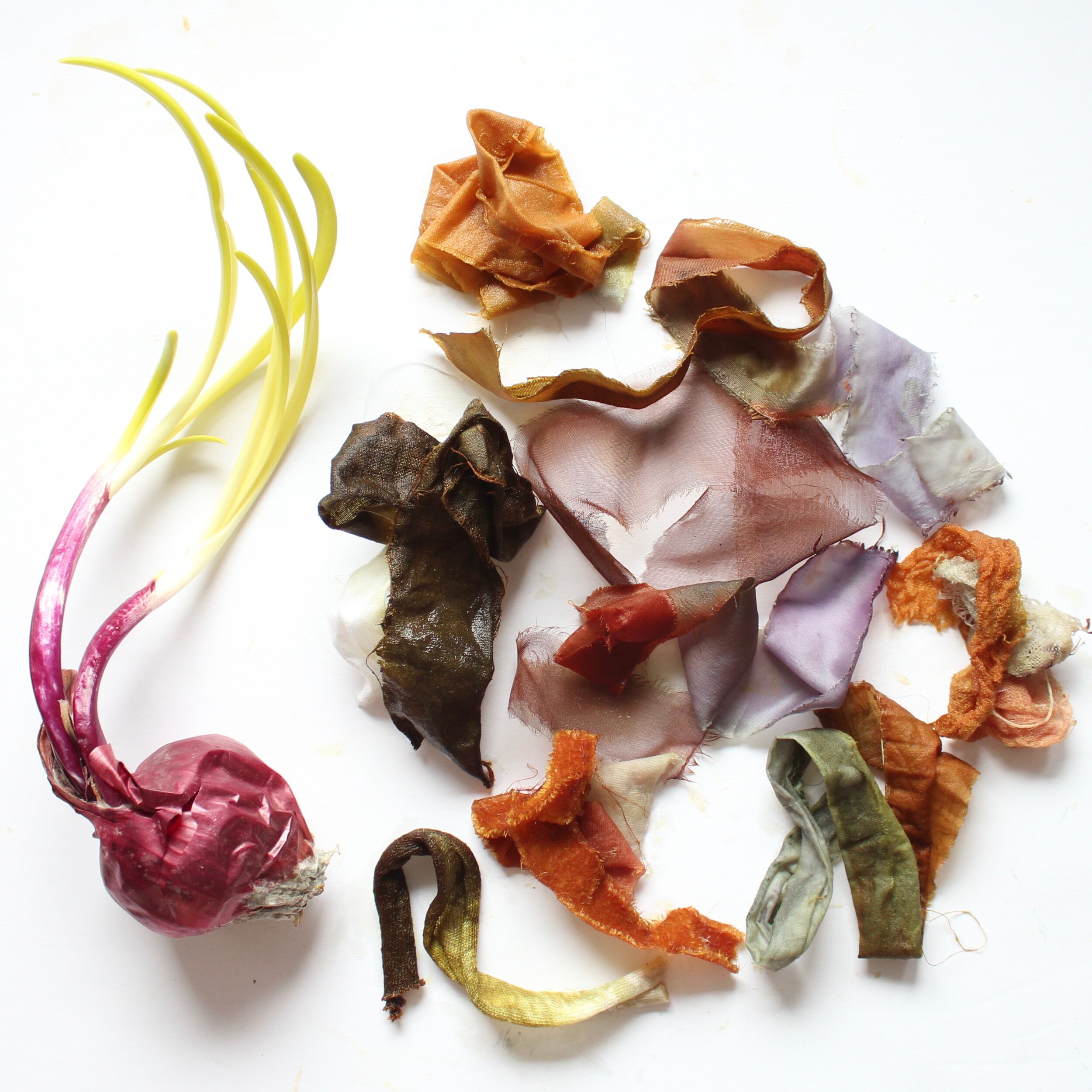
Red Onion Skins
The skin of a red onion can create a whole spectrum of color from chartreuse to army greens, lavender to rust.
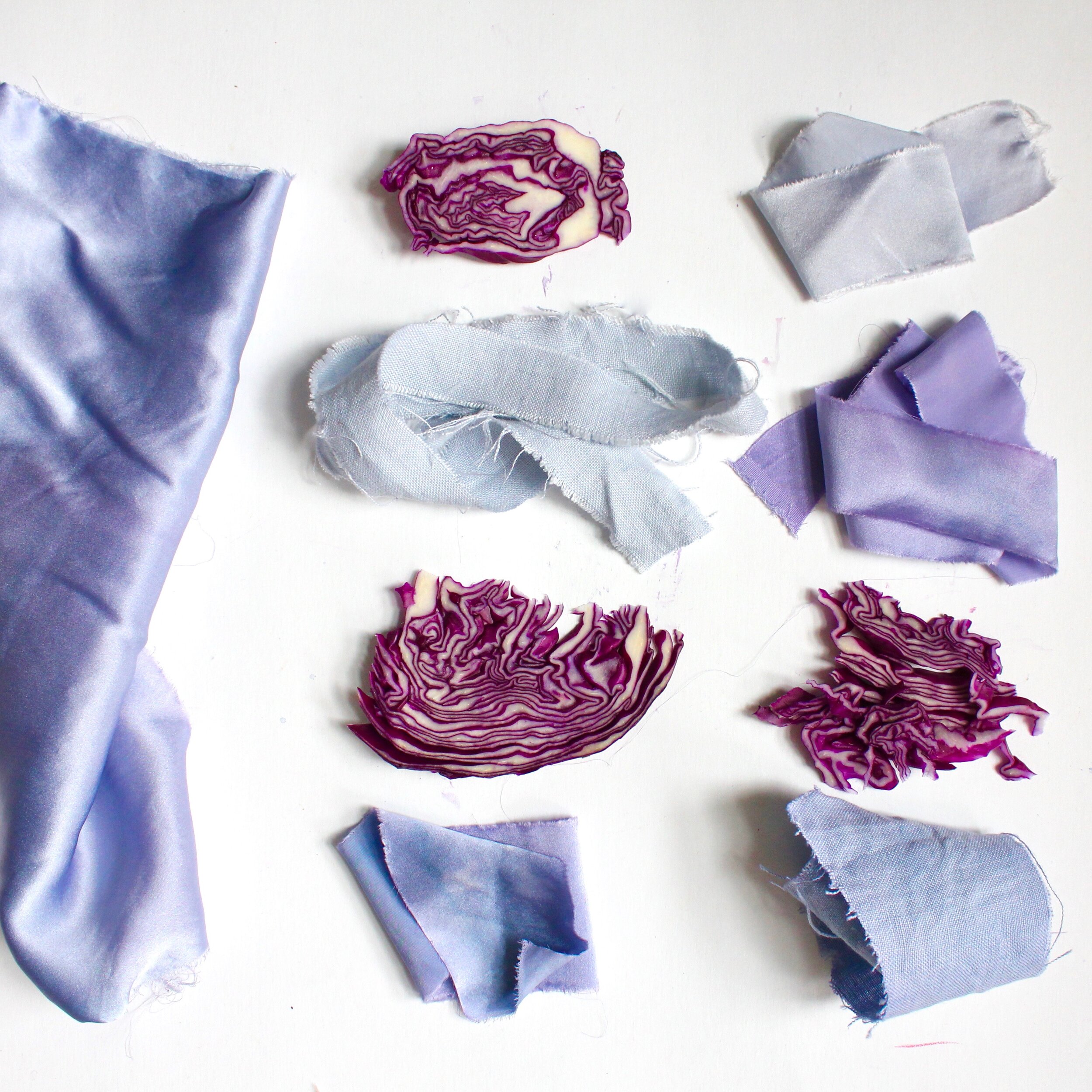
Red Cabbage
The leaves of the red cabbage plant can make periwinkle, lavender and icy blue colors.
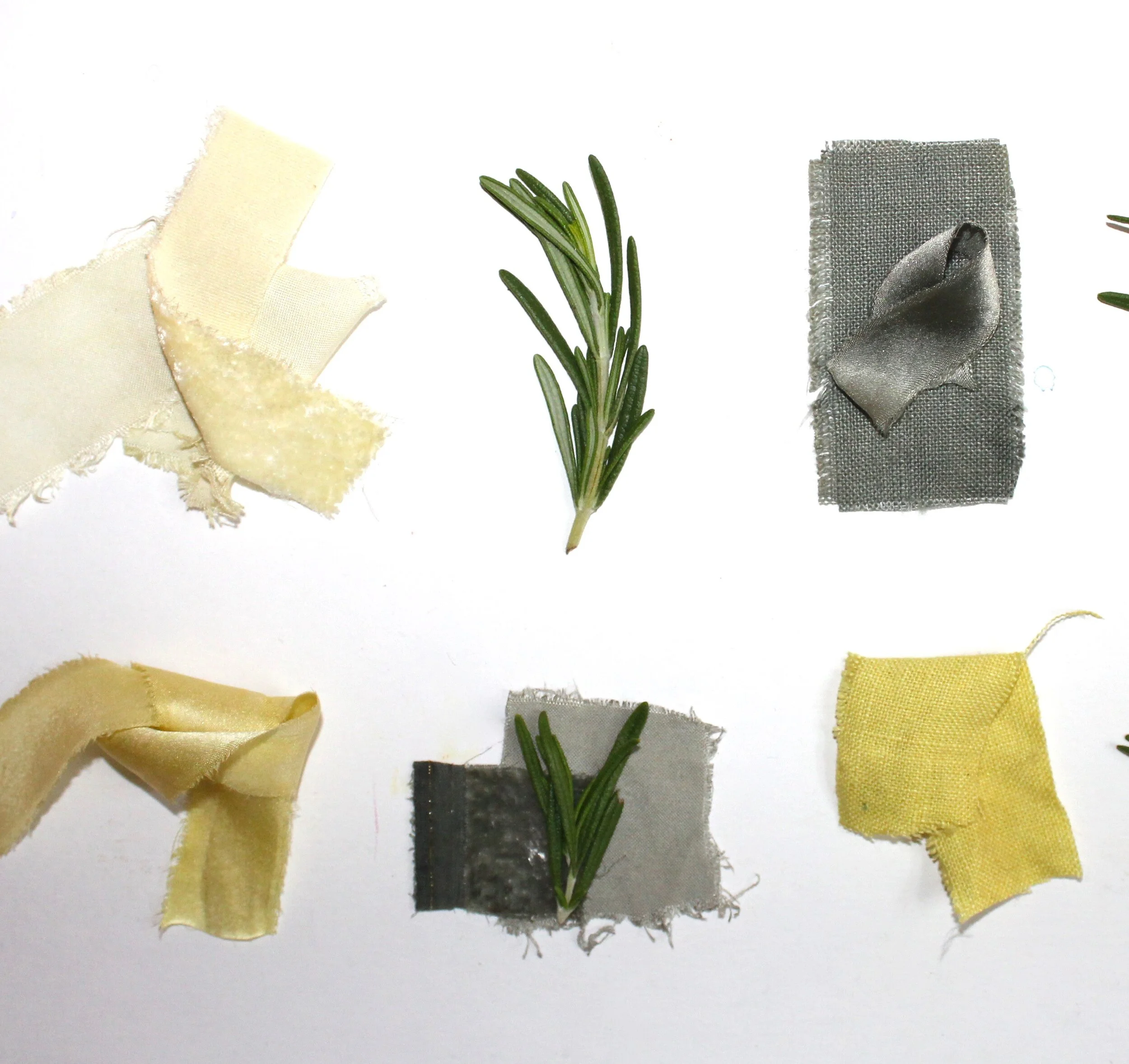
Rosemary
The leaves of the rosemary plant can be used to make a yellow green dye. When iron is added as a modifier, you can achieve a grayish, sage green color.
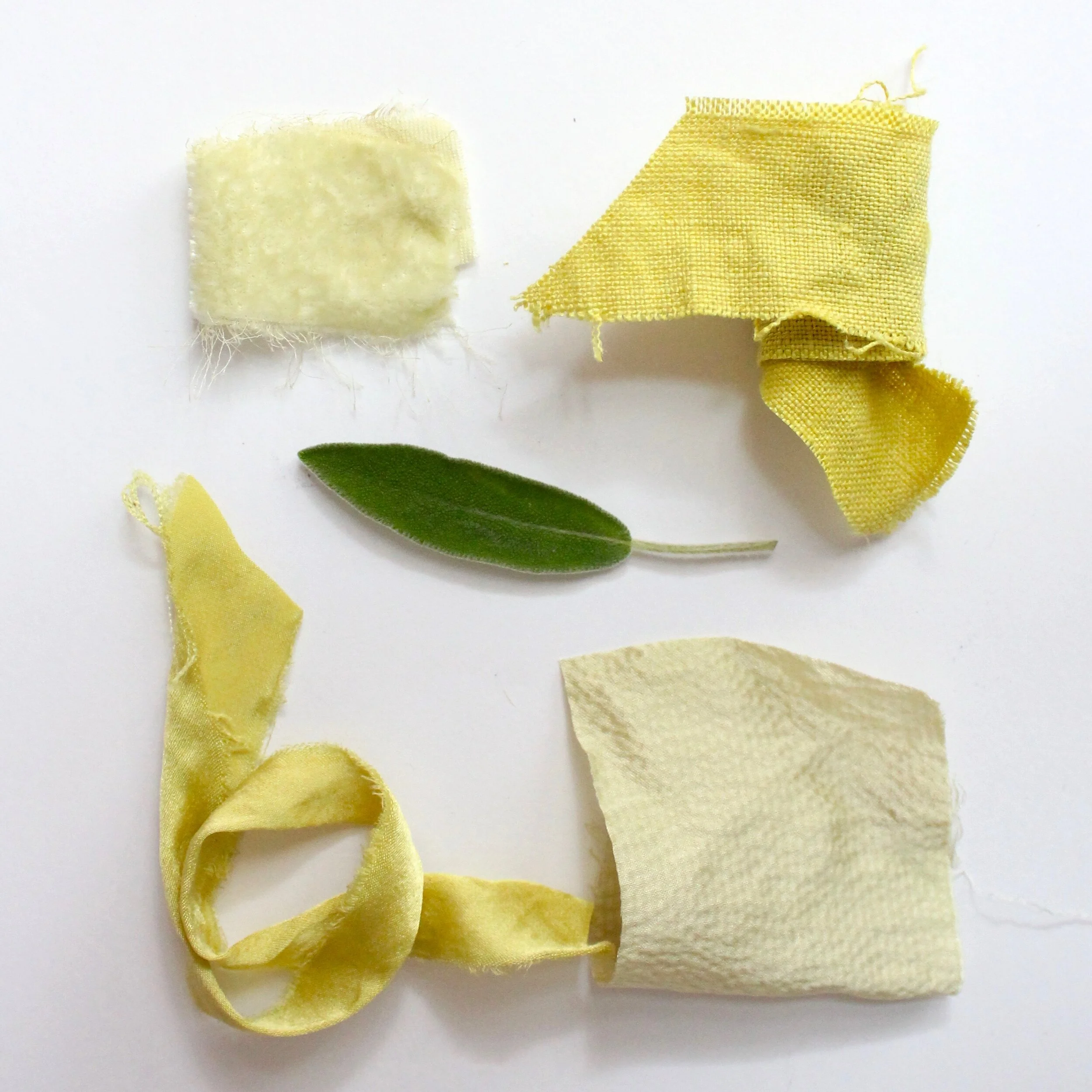
Sage
Sage leaves create an electric green color or a light yellow-green depending on the fabric.
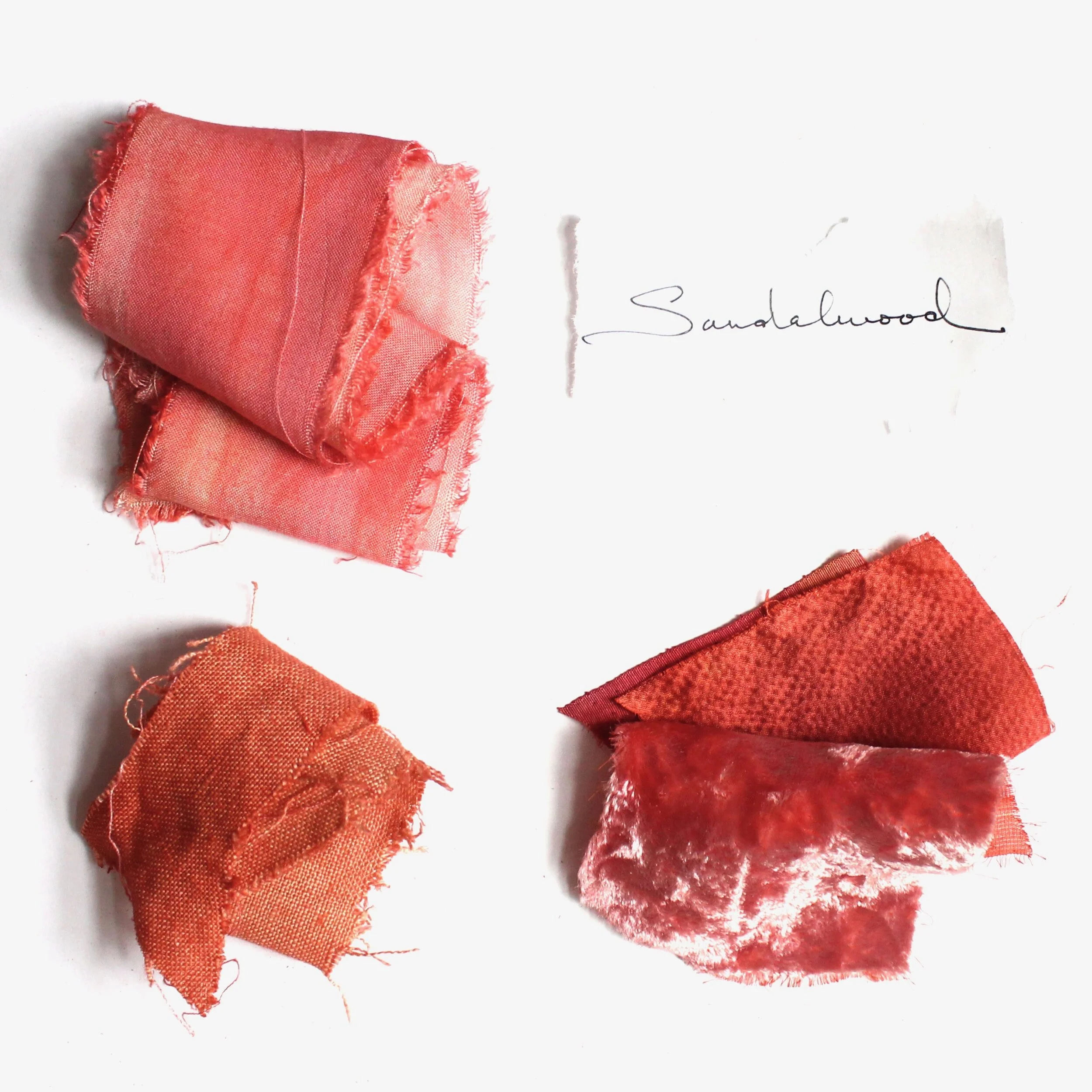
Sandalwood
The sandalwood dye comes from the heartwood of a tree which grows in Southern India and the Philippines.
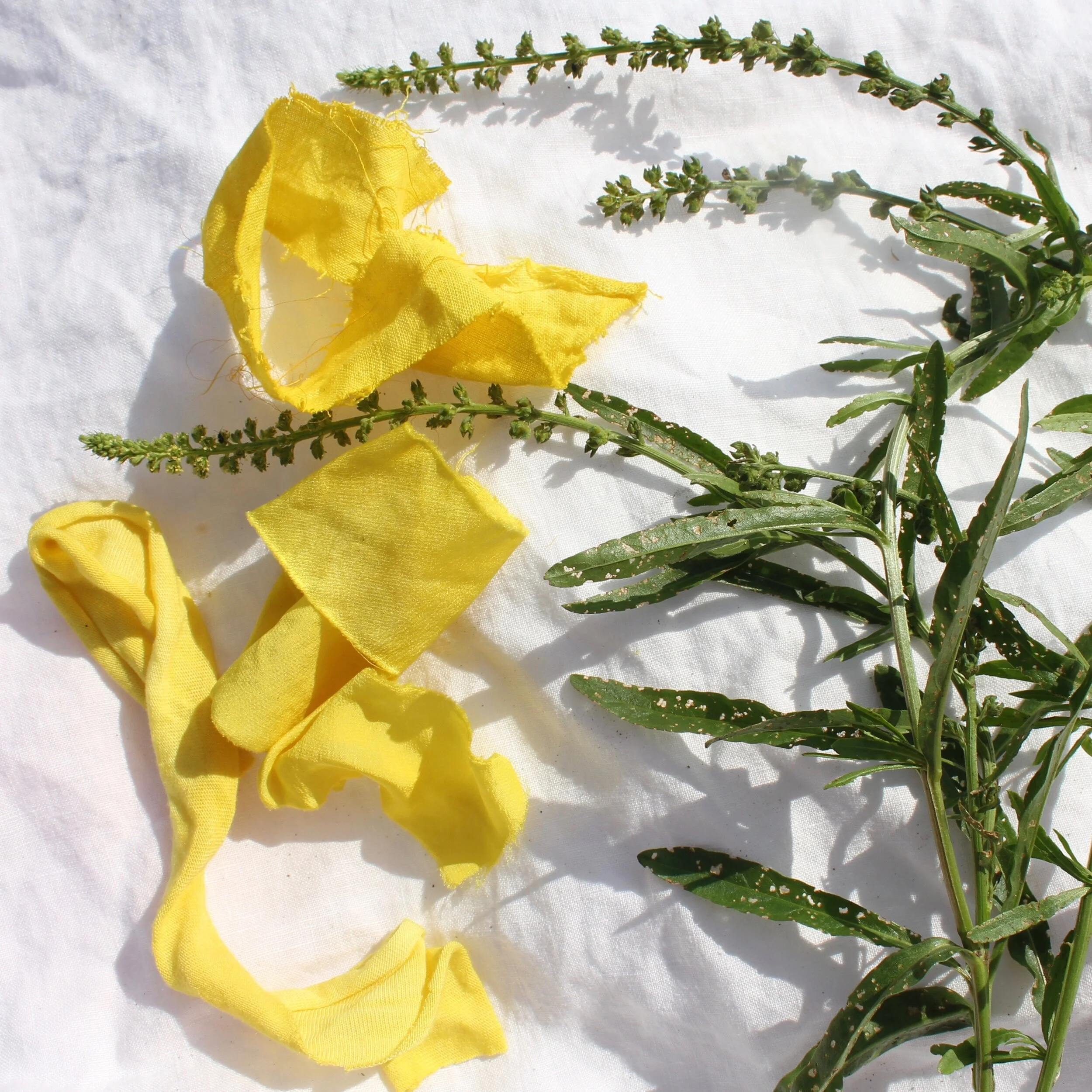
Weld
The leaves and tiny flowers of Weld make yellow to chartreuse colors.
Turmeric
The root, both fresh and in powder form, make a vibrant yellow dye. Turmeric has been used for thousands of years as an internal and external medicinal preparation..
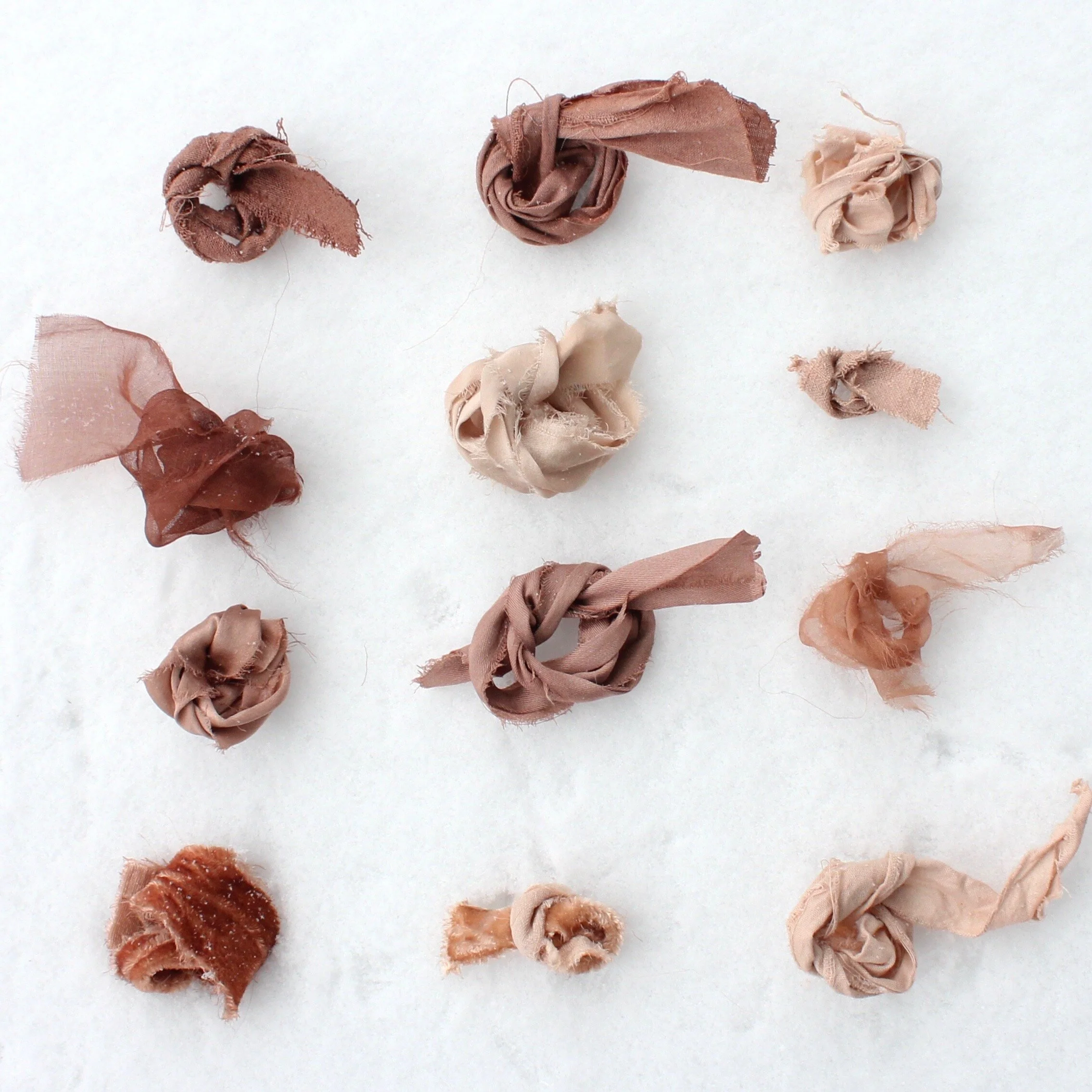
Wattle
The bark and heartwood of this tree in the Acacia family is rich in tannins and has traditionally been used to tan leather.
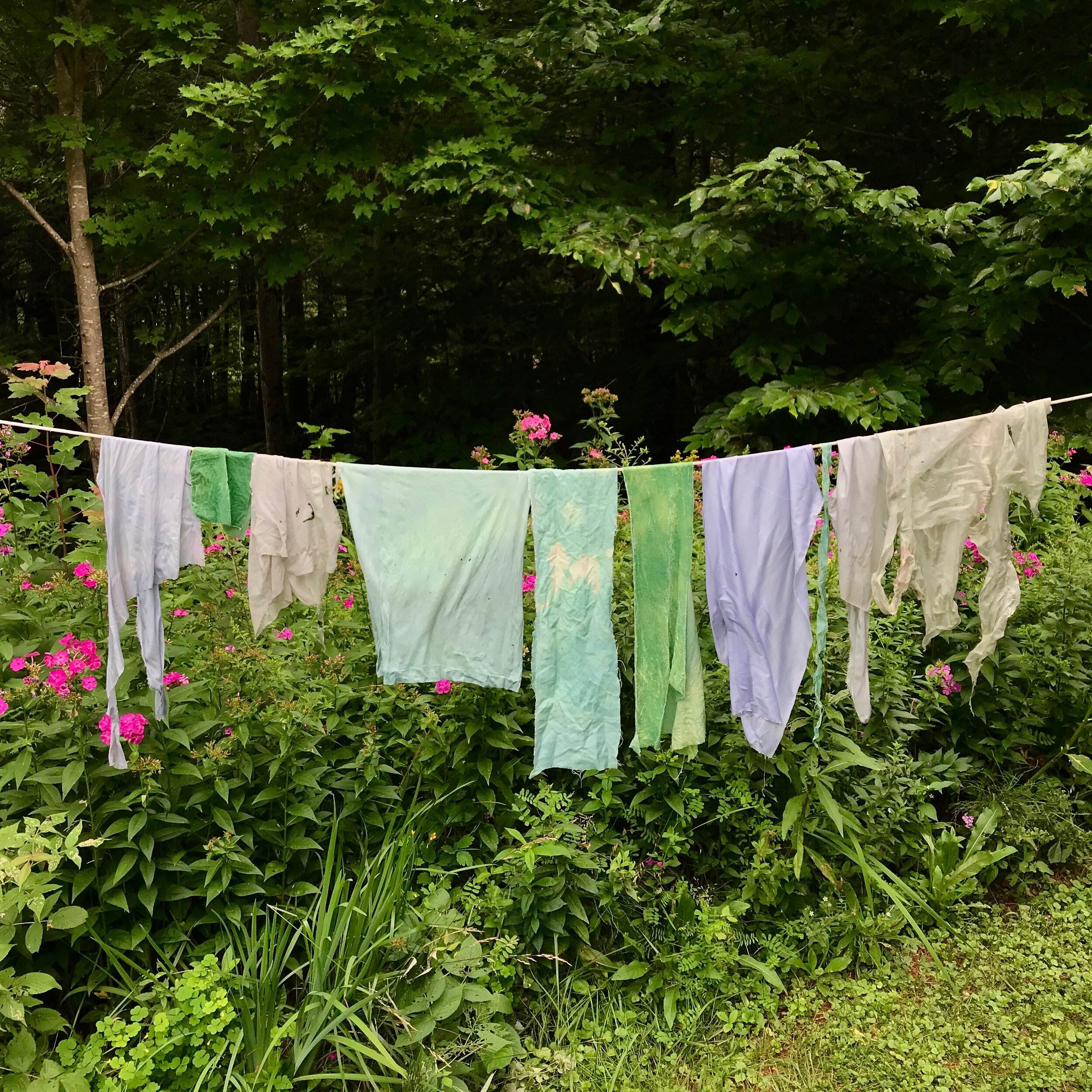
Woad
Less potent cousin of indigo. Can produce blues and greens.
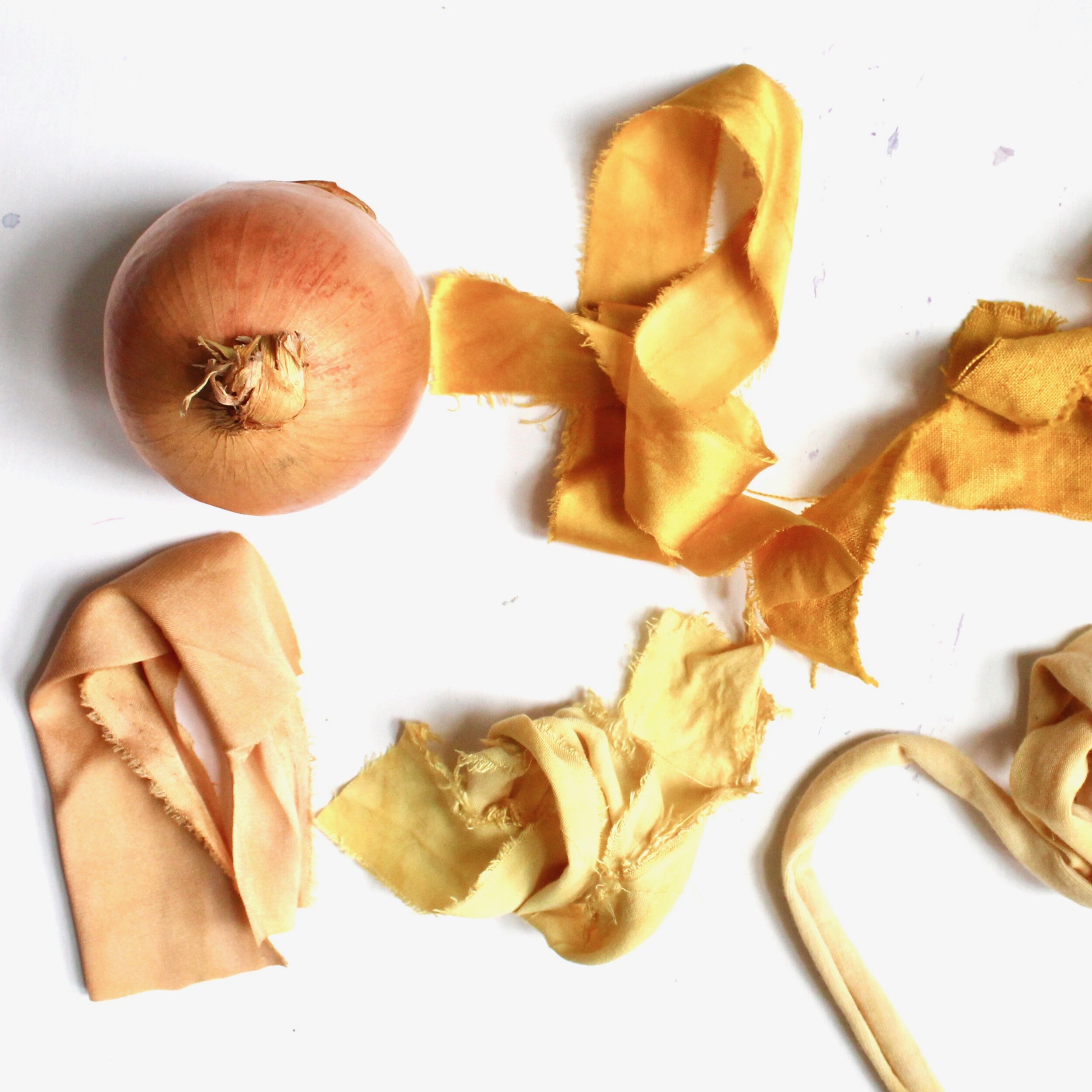
Yellow Onion Skins
The skins of a yellow onion make varying shades of yellow and gold.